


The landscape of property management is undergoing a significant digital transformation. For years, landlords and agencies relied on a patchwork of manual spreadsheets and paper-based agreements—methods that are increasingly prone to human error and operational bottlenecks. In today’s fast-paced market, staying competitive requires more than just a listing; it requires automation. Modern property rental solutions have emerged as the essential bridge between manual chaos and scalable, automated success.
What is a Property Rental Solution?
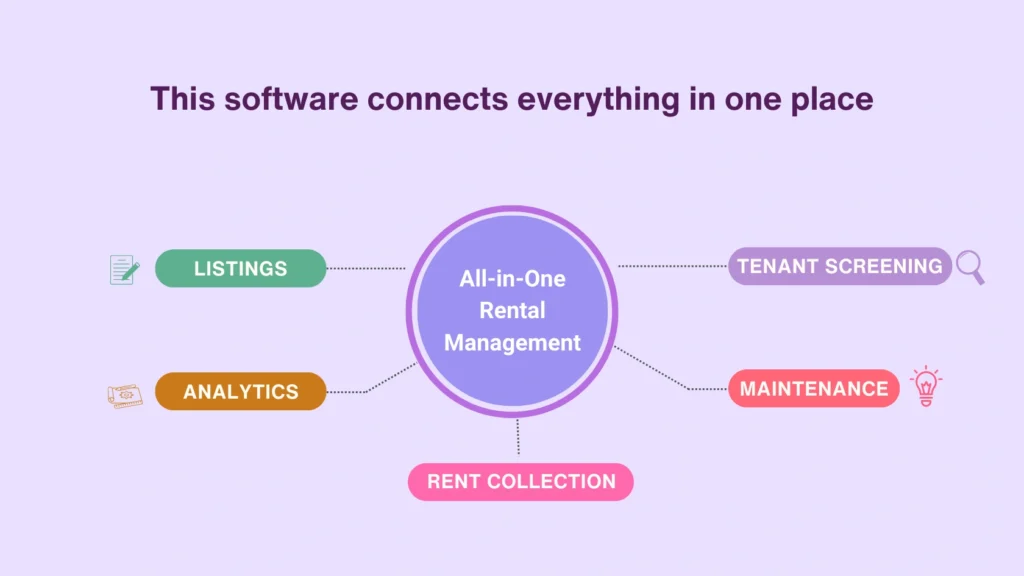
A property rental solution is a centralized digital ecosystem designed to automate the lifecycle of a rental property. It integrates essential tasks—such as listing syndication, automated rent collection, tenant screening, and performance analytics—into a single interface. By replacing fragmented manual tools, these platforms provide a high-level overview of portfolio health while managing the day-to-day granular details of tenant interactions.
For businesses looking to launch their own platform, a property rental script can provide the core functionality for managing listings, tenants, payments, maintenance, and property operations from one centralized system.
Who Benefits from Rental Automation?
However, the benefits extend much further for larger entities:
- Property Management Firms: Use these systems to oversee hundreds of units without increasing administrative headcount.
- Real Estate Agencies: Benefit from centralized lead management and automated viewing schedules.
- Vacation Rental Hosts: Rely on the platform’s ability to synchronize booking calendars across multiple sites like Airbnb and VRBO
Navigating the Different Types of Solutions
Choosing between these models should also align with your property rental market strategies, including the type of tenants you target, pricing approach, geographic expansion, and the level of operational control your business requires.
The Lifecycle: How Property Systems Work
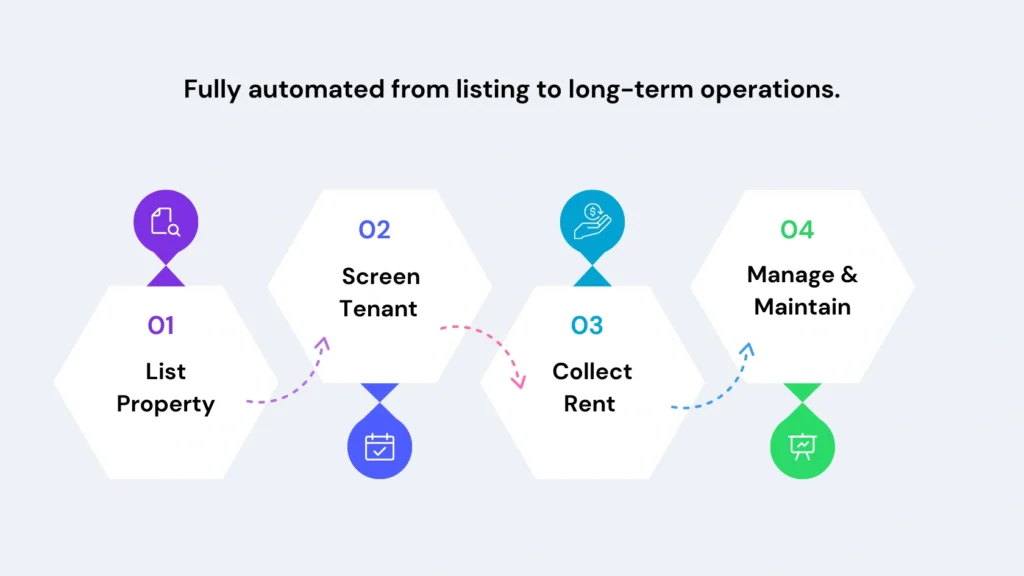
The same operational principles can be applied to other rental categories, where an equipment rental script can help businesses manage asset availability, bookings, payments, maintenance, and rental activity efficiently.
Strategic Considerations: Build, Buy, or SaaS?
- SaaS Platforms: Ideal for those who need to launch quickly with predictable monthly overhead.
- Ready-Made White-Label Solutions: A middle ground that offers some level of branding and customization without the "from scratch" price tag.
- The Hybrid Approach: Many growing firms start with SaaS and transition to custom modules as their specific operational "pain points" become more defined.
For marketplace-focused businesses, a p2p rental script can take this model further by allowing individual property owners to list their assets while renters discover, book, and pay through the same platform.
The Future of Rental Technology
As these capabilities continue to evolve, choosing the best rental solution means looking beyond basic booking functionality and evaluating automation, analytics, scalability, integrations, and long-term business requirements.
Frequently Asked Questions
What is the difference between rental software and property management software?
While the terms are often used interchangeably, rental software typically focuses on the “front-end” of the business—listings, bookings, and guest interactions. Property management software is often more “back-end” focused, dealing with maintenance logs, deep financial accounting, and long-term lease compliance.