


In the modern economy, choosing a rental solution is no longer a simple IT task—it is a foundational business decision. Whether you are managing a fleet of vehicles, a portfolio of luxury properties, or industrial equipment, your software is the engine that drives your revenue. The wrong platform doesn’t just cause “glitches”; it leads to lost bookings, frustrated customers, and a ceiling on your ability to scale. To navigate the crowded software market, you need a framework that prioritizes long-term ROI over short-term savings.
What is a Rental Solution?
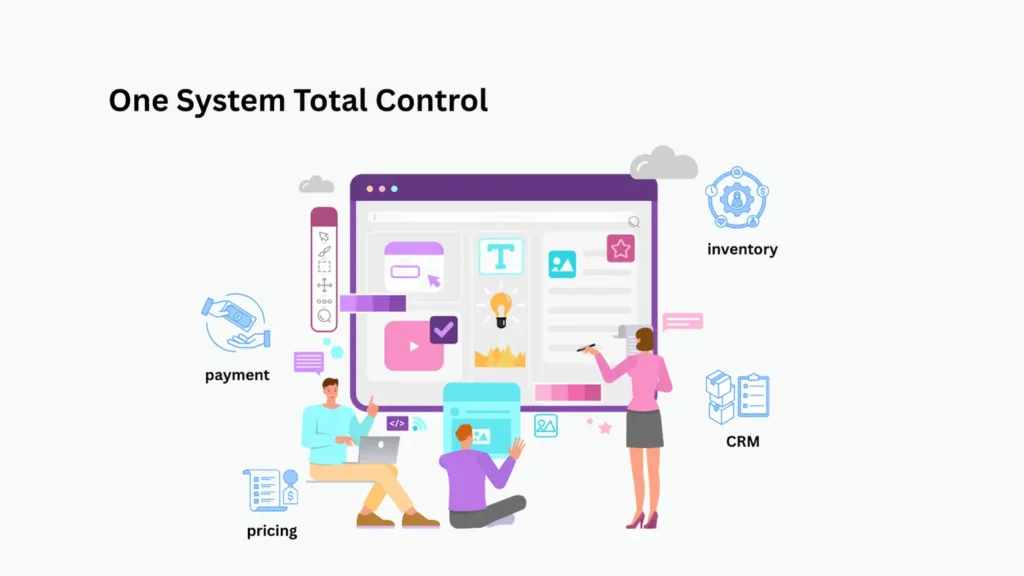
A rental solution is an end-to-back digital infrastructure that synchronizes asset availability with customer demand. Beyond a simple booking engine, it acts as a central nervous system for your business—integrating inventory tracking, dynamic pricing, secure payment gateways, and customer relationship management (CRM) into a single, automated workflow.
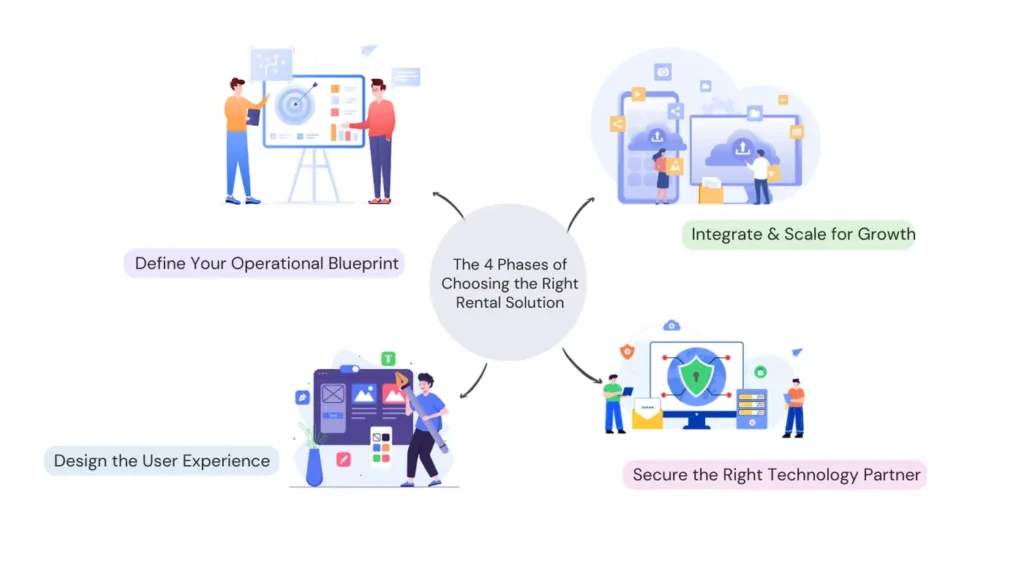
Phase 1: Defining the Operational Blueprint
For businesses focused on specialized assets, an equipment rental script can provide the core tools needed to manage inventory, availability, bookings, payments, and customer demand from a centralized platform.
- Clarify Your Model: Are you renting by the hour, day, or month?
- Identify Your Niche: Does your industry require specialized tracking? For example, vehicle rentals often require GPS and insurance integration, while property rentals demand lease compliance and maintenance logs.
- Audit Your Must-Haves: Ensure the core foundation—real-time availability and secure payments—is rock solid before being distracted by "flashy" secondary features.
For property-focused businesses, a property rental script can simplify these requirements by bringing listings, availability, tenant information, payments, and maintenance workflows into one system.
Phase 2: The User Experience & Branding
- For the Customer: A frictionless, mobile-responsive booking flow that builds trust and increases conversion.
- For the Staff: An intuitive admin dashboard that allows for rapid booking extensions, returns, and inventory updates without a steep learning curve.
Phase 3: Integration and Future-Proofing
As rental businesses adopt more connected assets, specialized models such as a robot rental script can also benefit from IoT integration for tracking usage, availability, location, and maintenance.
This marketplace approach also creates opportunities for a p2p rental script, allowing individual owners to list their assets while customers discover, book, and pay for rentals through the same platform.
Phase 4: Security and Vendor Trust
- Security & Compliance: Verify that the system follows global data protection standards and offers automated backups.
- Uptime Reliability: Every minute your site is down is a minute you aren't making money.
- Vendor Credibility: Look for responsive support teams and a clear product roadmap. A vendor that provides regular updates and transparent documentation is an asset to your business growth.
Beyond the technology itself, successful property rental market strategies should also consider pricing, occupancy, customer demand, maintenance costs, and the ability to scale operations as the rental portfolio grows.