

Amazon Clone Script to Launch Your Own Multi-Vendor Marketplace
Last Updated: August 2026
Launch Your Own Amazon-Style Marketplace, Not in Two Years, in Two Weeks
Zipprr puts a ready-to-run, AI-ready marketplace in your hands, a platform where a crowd of sellers trades under your brand, shipped with the whole codebase, native shopper and seller apps, and a deeply controllable admin panel. One payment makes it yours, with no monthly bills, no cut taken from your sales, and no lock-in to any vendor.
Countries Served
0
+
Happy Clients
0
%
Years of Experience
0
+

Free App Submission
Launch apps quickly without extra submission costs

Server Installation
Hassle‑free setup, we handle deployment for you.

Multi‑Language Support
Connect globally, serve users in their language.

Post‑launch Support
Get 90 days free expert technical assistance.

Transparent Pricing
Clear cost structure, no hidden surprise charges.
What Is an Amazon Clone Script?
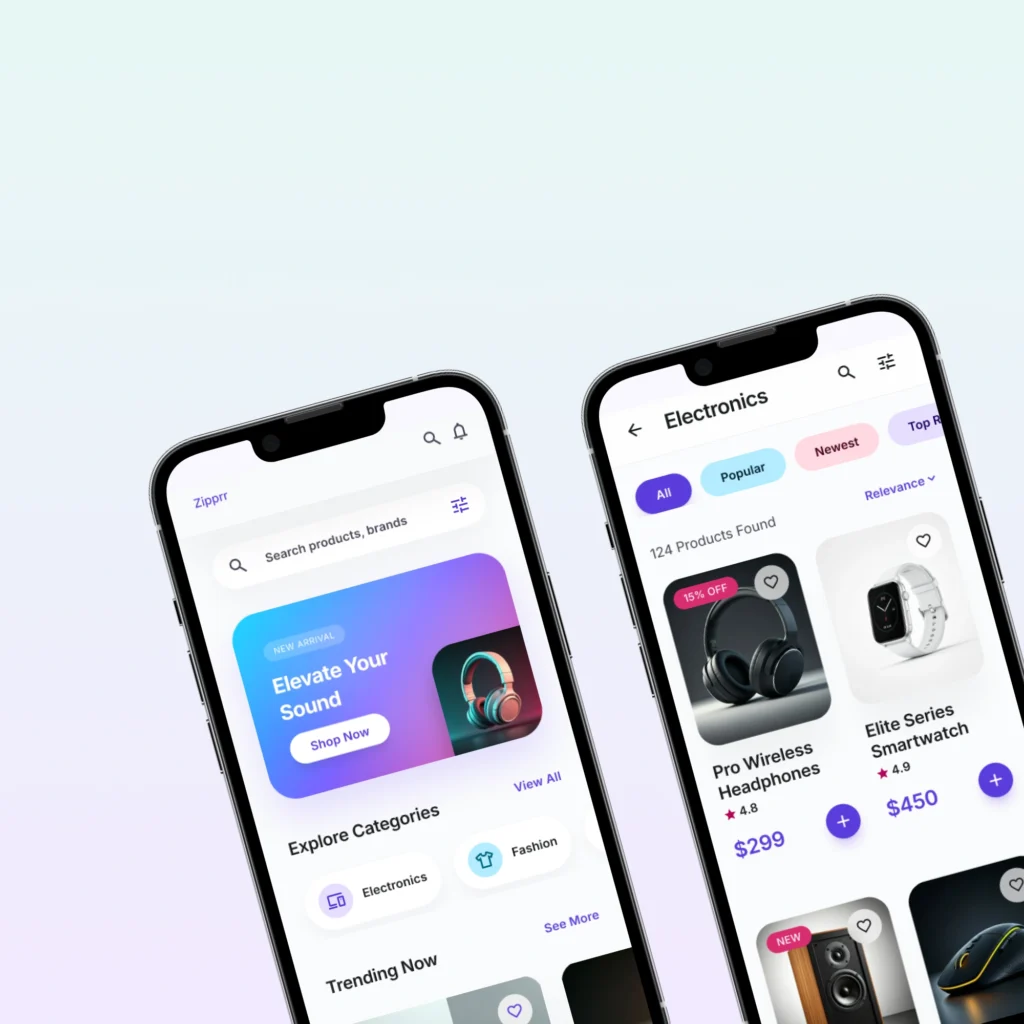
An Amazon clone script is pre-built software for opening a marketplace where many independent sellers list and sell under your own brand, exactly the way they do on Amazon. Instead of coding for months, you start from a proven platform that already runs product listings, the cart, secure checkout, individual seller storefronts, order processing, and a complete admin dashboard, and then you mould it to your business.
Put plainly, Amazon spent decades and vast sums on its technology. A clone script drops that same core engine into your lap on day one, the shopping side, the selling tools, and the admin controls, so your energy goes into choosing a niche, recruiting sellers, and pulling in buyers.
How an Amazon clone works, in four moving parts
01
02
03
04
Buyers
search, browse, drop items in the basket, pay, follow their orders, and leave reviews, from either the website or the apps.
Sellers
sign up, clear an identity check, post products, keep stock and orders in order, and withdraw what they earn.
You, the owner
vet sellers, decide commissions, manage the catalogue and payouts, and run promotions.
The engine
payments, delivery, and AI services all plug in through APIs that stay under your control.
How to Evaluate Any Amazon Clone Before You Buy
Smart founders test before they commit. Run this checklist in a single demo to judge any Amazon clone on the market, ours included, so you buy on evidence rather than promises.
Buyer experience
click the whole buying flow, search, product page, basket, checkout, and notice how fast and familiar it feels, because that speed is what converts shoppers.
Seller tools
add a product as a seller, edit stock, and run a test order to see how real selling works day to day.
Admin depth
open the admin panel and find commission settings, identity approval, payouts, and reports, the place you run the business from.
Ownership
confirm you receive complete, unencrypted source code, and ask plainly which features are built in versus paid add-ons.
Mobile and terms
try the buyer and seller apps on a real phone, and get the update, support, and refund terms in writing.
Why Create an eCommerce Marketplace Like Amazon?
Amazon is the undisputed leader in the global eCommerce industry, dominating online retail with an unparalleled customer base. Since its launch in 1994, Amazon has revolutionized the way people shop, evolving into a tech giant with a staggering market capitalization of $2.47 trillion.
Amazon is the undisputed leader in the global eCommerce industry, dominating online retail with an unparalleled customer base. Since its launch in 1994, Amazon has For entrepreneurs and businesses, developing an eCommerce marketplace like Amazon presents a massive opportunity to tap into the booming digital retail space. With the right strategy, technology, and scalability, you can create a platform that leverages Amazon’s proven success model while carving out your own niche in this $6.86 trillion global eCommerce market.
revolutionized the way people shop, evolving into a tech giant with a staggering market capitalization of $2.47 trillion.
global active users
0
million
total sellers
0
million
of the US eCommerce market share
0
%
Net income (Q2 2025)
$
0
Billion
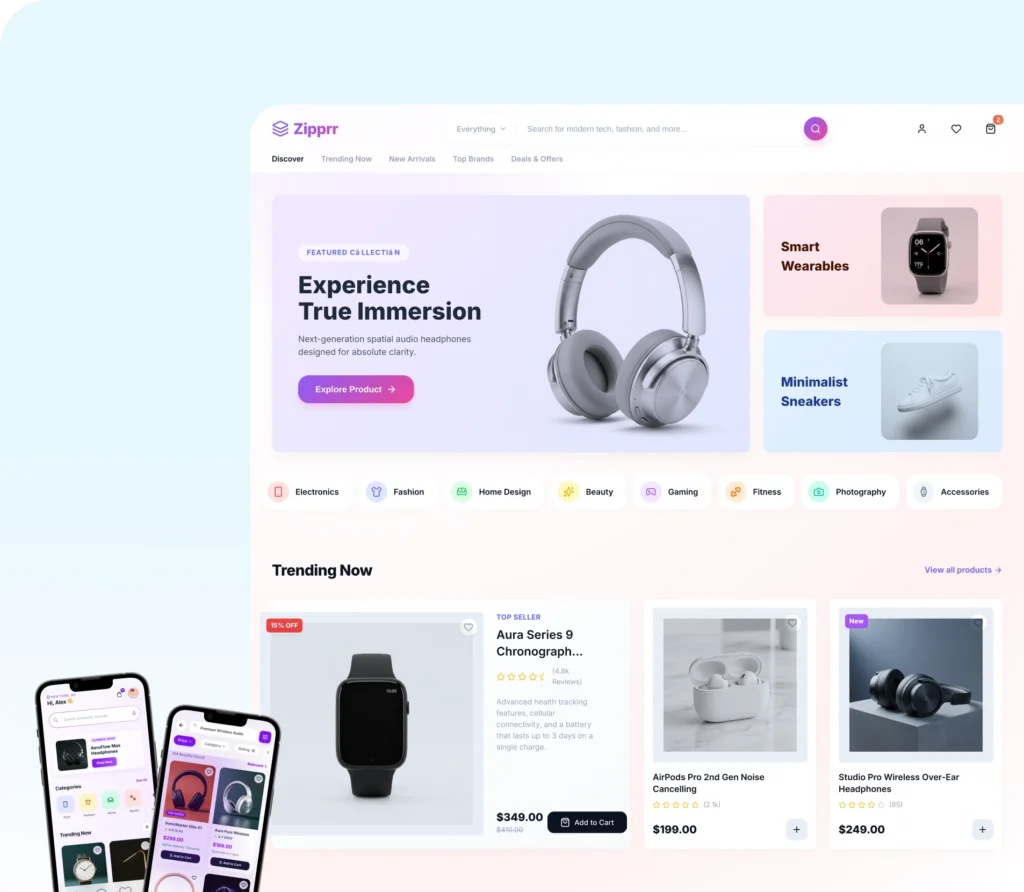
Look Our Feature Rich Amazon Clone
Buyer App
Quick discovery
category browsing, sorting, and layered filters cut a huge catalogue down to the right product in seconds.
Tailored suggestions
AI-led picks of related, trending, and recently seen items nudge each basket higher.
Save and compare
shoppers shortlist items, weigh them side by side, and pick up where they left off.
Effortless sign-in
a single tap with a phone number or social account clears the biggest pre-checkout drop-off.
Many ways to pay
cards, UPI, net banking, wallets, and pay-on-delivery, all handled securely.
Live order updates
status from checkout to doorstep, with a nudge at every stage.
Reviews and questions
on-product proof and answers that turn unsure visitors into confident buyers.
Deals and rewards
coupons, codes, and loyalty points that pull shoppers back.
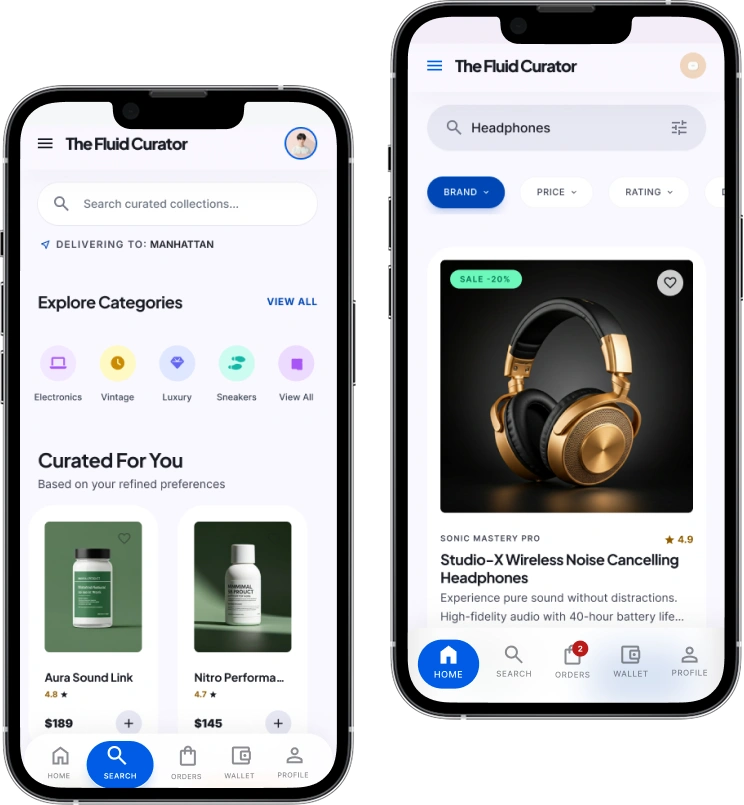
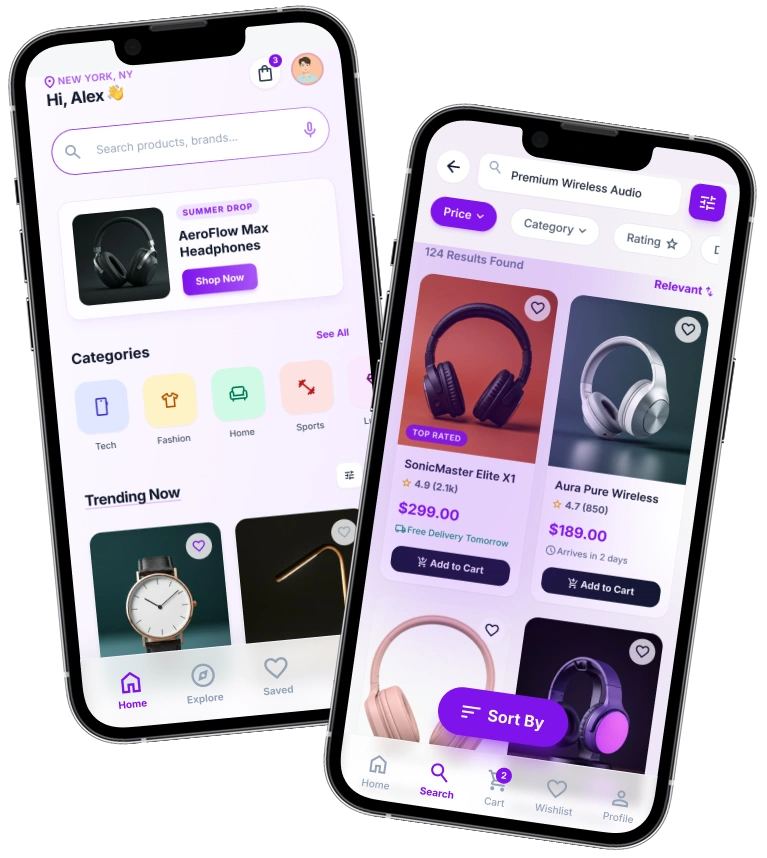
The Amazon Clone Buyer Journey
A first-time visitor arrives on a fast, familiar storefront, searches or browses a category, and sizes up the options with help from reviews and tailored suggestions. They add to the basket, sign in with a tap, choose a payment method, and check out in moments. After that they watch the order move in real time, rate it when it lands, and come back for the deals and rewards that build loyalty, the very loop that makes Amazon sticky, now running on your brand.
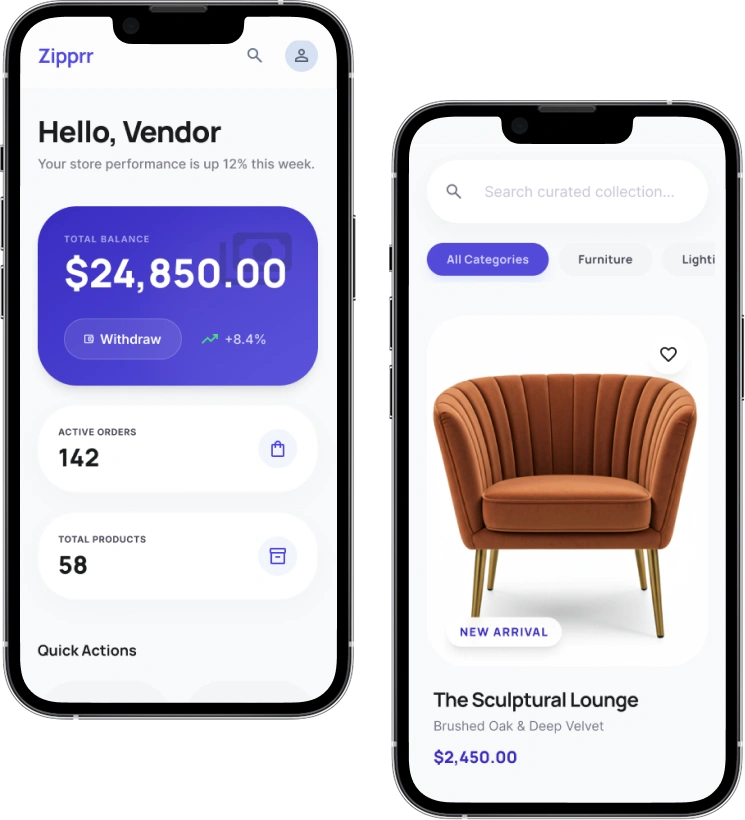
The Amazon Clone Seller Journey
A seller registers, clears the identity check, and is approved by you. They add products one at a time or by bulk file, set prices and stock, and begin taking orders through the web dashboard or the seller app. They fulfil, manage returns, see their earnings climb, and withdraw on schedule. Reports reveal what is selling, so strong sellers grow, and your commission grows alongside them.
Vendor App
Self-serve sign-up
sellers register and pass an identity check before listing, so standards stay high.
No listing limits
add products one by one or in bulk with CSV import and export.
Stock and barcodes
create barcodes and let the system watch stock for them.
Order handling
run orders, returns, and refunds from one clean dashboard.
Bigger baskets
suggest related items at the right moment to grow each order.
Earnings and payouts
watch revenue build live and withdraw without delay.
Storefront styling
shape the store profile, banners, and look to build a brand.
Clear reporting
spot trends, best sellers, and slow movers at a glance.
Admin Panel
Seller and product control
approve, manage, and moderate unlimited sellers and their listings.
Commissions and payouts
set your cut globally, by category, or per seller, and manage payouts.
Safety oversight
identity approvals and sign-in monitoring keep the platform trustworthy.
Merchandising
spotlight products with homepage banners, sliders, and timed promotions.
Catalogue management
arrange categories, attributes, and product data cleanly.
Rules engine
configure coupons, taxes, and delivery logic for any market.
Easy extension
slot in new features by uploading add-ons, with no core rebuild.
Reporting and export
track the marketplace’s health with reports and exportable data.
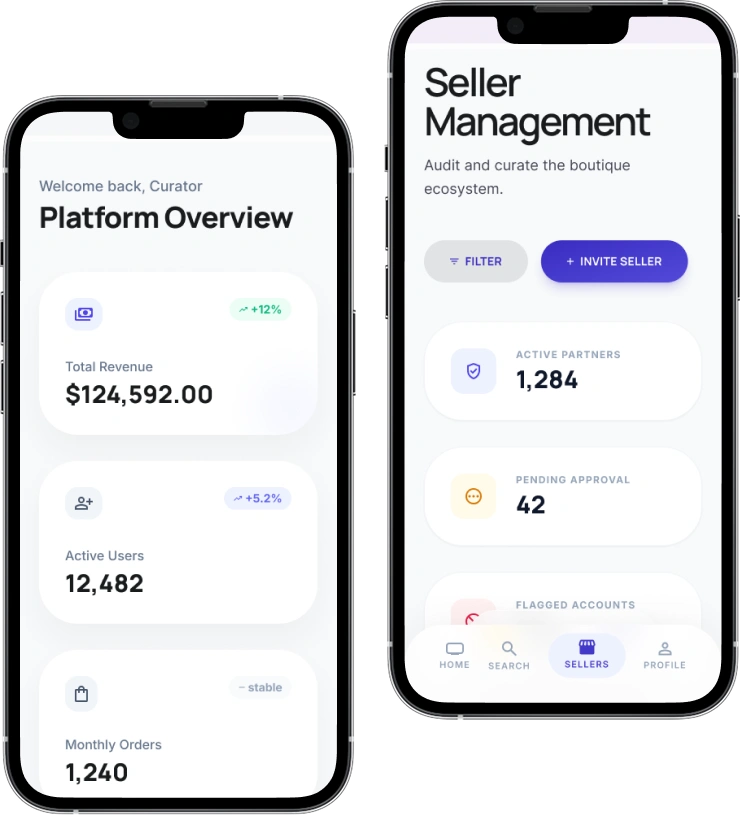
Your Amazon Clone Admin Control Room
From one panel you approve sellers, set commission rates, curate the homepage, run promotions, and settle disputes. The whole marketplace is visible at a glance, sales, top sellers, traffic, and trouble spots. You configure taxes, delivery, and coupons for your market, extend the platform with add-ons, and export data whenever you need it. You run the marketplace; the sellers run their stores.
Amazon Clone Script vs Custom Build vs SaaS vs Other Scripts
A single, clear comparison of every route to launch, with Zipprr’s Amazon clone script lined up against custom development, SaaS rentals, and rival clone scripts.
Zipprr’s P2P rental script is a one-time business asset purchase between $490 and $890: the full codebase transfers to the buyer’s server at delivery, Zipprr earns nothing further regardless of how large the platform grows, and the operator retains the software irrespective of any future change to Zipprr’s own business situation.
Feature
Zipprr Amazon Clone
Custom Development
SaaS / Rental
Other Clone Scripts
Upfront cost
✓
From $490, one-time
✕
Very high, project-based
✓
Low monthly fee
✕
Varies, often higher
Time to launch
✓
1-2 weeks
✕
6-12+ months
✓
Days, but limited
✕
2-4 weeks
Full source code
✓
Yes, unencrypted
✓
Yes (you pay for it)
✕
No
✕
Often encrypted / partial
Ongoing fees
✓
None
✓
Maintenance only
✕
Forever subscription
✕
Sometimes
Revenue share
✓
None
✓
None
✕
Often a % of sales
✕
Sometimes
Buyer & vendor apps
✓
Included
✕
Build separately
✕
Limited / none
✕
Often a paid add-on
AI-ready
✓
Yes
✕
Depends on team
✕
Limited
✕
Rarely
White-label
✓
100%
✓
Yes
✕
Limited
✓
Usually
Customizable
✓
Fully (own code)
✓
Fully
✕
Limited
✕
Partial
Free installation
✓
Yes
✕
Not applicable
✕
Self-serve
✕
Sometimes
Support
✓
90 days + lifetime updates
✕
Per contract
✓
Tied to subscription
✕
Varies
Scalability
✓
Scales, you control
✓
High
✕
Vendor-capped
✕
Varies
Guarantee
✓
7 days
✕
Rare
✕
Trial only
✕
Rare
Ownership
✓
You own it outright
✓
You own it
✕
Vendor owns it
✓
You own a license
Best for
✓
Fast, owned launch
✓
Unique, deep pocket
✕
Quick low-stakes test
✕
Budget launch
Why Owning Your Amazon Clone Beats Renting
SaaS marketplace tools look cheap by the month, but the meter never stops, and many also take a slice of your sales. Over time those fees pile up while you still never own the code. A one-time Zipprr licence fixes your cost at the start, keeps every bit of your margin yours, and turns the platform into an asset you own rather than a subscription you rent.
Revenue Stacks
How Your Amazon Clone Marketplace Makes Money
A marketplace earns without holding stock. The platform supports the same revenue routes Amazon uses, and you can run several at once:
Commission per sale
take a share of every order, set across the board or by category.
Seller subscriptions
charge sellers a monthly or yearly fee to trade with you.
Featured listings and ads
let sellers pay to sit at the top of search and category pages.
Listing fees
charge to list, or for premium listing slots.
Value-added services
paid delivery, packaging, or insurance.
Membership plans
a shopper membership with free delivery and offers, a Prime-style tier.
How Amazon Clone Marketplace Revenue Stacks Up
Each stream is modest alone, but together they compound. A commission on every order, a recurring fee from active sellers, and income from featured placements all add up, and none of them ask you to buy or hold stock. As your seller base and order volume rise, every stream rises with them.
Mistakes to Avoid Launching an Amazon Clone
Growth Strategy
Focus Beats Breadth
Spreading too wide too soon, win one niche before you expand.
Marketplace Supply
Supply Before Demand
Chasing buyers before you have sellers and stock, supply has to come first.
Launch Strategy
Ship, Then Improve
Over-customising before launch, go live, then refine on real feedback.
Trust & Conversion
Trust Drives Sales
Neglecting trust signals, reviews, verification, and clear policies drive conversions.
Growth Roadmap
Your Amazon Clone Growth Roadmap After Launch
Launching is milestone one, not the finish line. A simple roadmap keeps the momentum and answers the question every founder asks, what do I do after going live?
Months 1-3
reach liquidity in your core niche, sign up enough quality sellers and stock that buyers reliably find what they came for. Liquidity, not features, is what makes a marketplace feel alive.
sharpen conversion with reviews, personalisation, and a faster checkout, and switch on the AI features that pay for themselves through bigger orders and lighter support.
Months 4-6
Months 7-9
branch into nearby categories and layer in revenue routes such as featured listings, seller subscriptions, and a buyer membership.
scale paid acquisition on the channels that already convert, add languages or regions, and toughen your operations and support for higher volume.
Months 10-12
Why Build an Amazon Clone Marketplace in 2026?
The marketplace remains the most proven model in online retail, and it is still expanding. A few things are worth weighing before you commit:
A large, fast-growing online retail market
A big and widening pie to claim a slice of
A model proven at the very largest scale
Marketplaces are a tested route to building wealth
Shoppers already trust the marketplace format
Buyers are at ease purchasing this way
Product discovery is moving to marketplaces
Sharp, niche marketplaces keep earning attention
Winning here is not about toppling Amazon. Your advantage is focus, a marketplace built for one country, one category such as electronics, fashion, handmade goods, groceries, or industrial supplies, or one community the giants overlook. The platform supplies the engine; your niche supplies the edge.


















How to Launch
Launch Your Amazon Clone in 5 Steps
Step 1
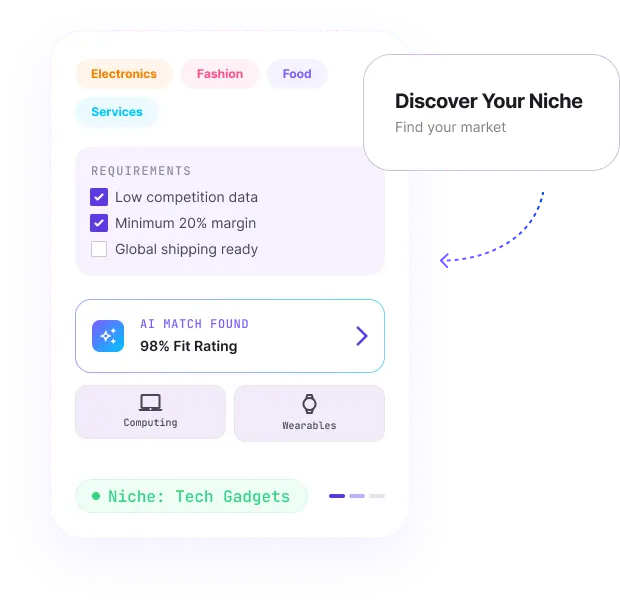
Free Demo & Scoping
We show you the working platform and confirm what your niche needs.
Step 2
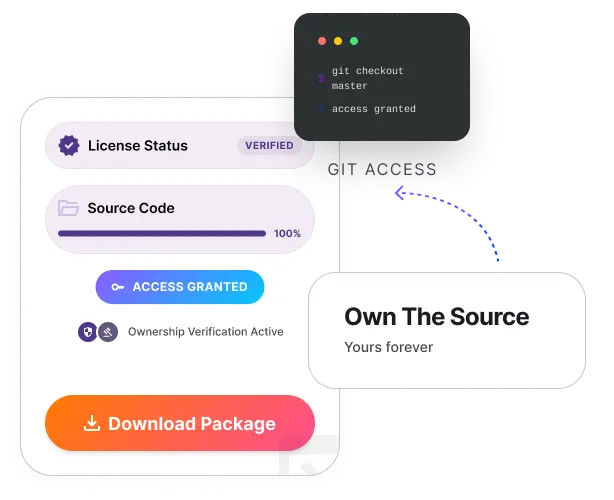
Choose & Pay Once
Pick a package and pay a single time — you receive the full source code and licence.
Step 3
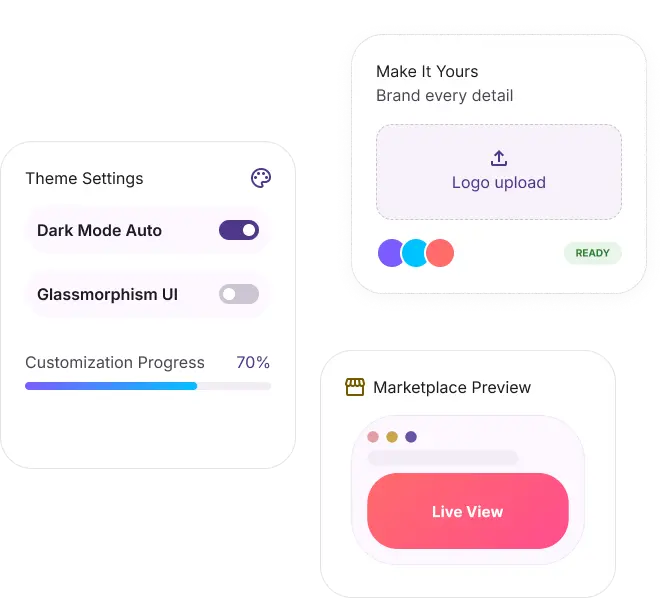
Install & Brand
We deploy on your server with your logo, colours, and domain.
Step 4
Set Up & Onboard
Add categories, invite your first sellers, and load products.
Step 5
Go Live
Open for business, with ninety days of support behind you.
Security & Trust
Amazon Clone Marketplace Security & Trust
People only transact when they feel safe. The platform ships with the safeguards a credible marketplace needs, and since you hold the code, you can extend them to your market’s rules.

Identity
seller verification before approval.

Compliance
configurable tax rules and data handling to match your region.

Payments
secure, PCI-aware gateway integrations and optional escrow.

Access
sign-in monitoring and role-based admin access.
Objections Handled
Amazon Clone Buyer & Seller Confidence: Objections Handled
Every marketplace has to answer the quiet doubts on both sides of a deal. Build these reassurances straight into your copy and policies so trust is never left to luck.
Is it safe to pay here?
secure gateways, buyer protection, and visible verified reviews ease payment nerves before checkout.
Will my order actually arrive?
verified sellers, live tracking, and a clear refund policy set the right expectations from the start.
Why sell on a brand-new platform?
low or zero starting commission, easy onboarding, and access to your audience make joining genuinely low-risk for sellers.
What if there is a dispute?
a defined resolution flow and an admin who mediates keeps both buyer and seller protected, which keeps good people around.
How do I know it will grow?
a public roadmap, steady seller recruitment, and a stream of new listings signal momentum to everyone who lands on the site.
AI Features
AI Features in Your Amazon Clone Script
Today’s marketplaces win on intelligence, not just on listings. Since the code is yours, Zipprr’s platform can carry a full layer of AI, built in or wired up through APIs you control, to lift conversions, trim support costs, and help sellers do well.
08
Eight Features
01
Smart recommendations
Personalised feeds that nudge average order value upward
02
Meaning-aware and visual search
Reads intent and photos so buyers reach products faster
03
AI assistant and support
Round-the-clock answers for both sides, with handoff for hard cases
04
Listing and content help
Drafts titles, descriptions, and tags from a few details
05
Risk and fraud scoring
Flags fake accounts and risky orders as they happen
06
Dynamic pricing
Shifts prices with demand, stock, and competition (optional)
07
Demand forecasting
Predicts what will sell to steer stock and promotions
08
AI analytics
Turns data into clear, do-this-next guidance
Who Is Our Amazon Clone Script For?
If you want to own a marketplace rather than rent one, and to open it this quarter instead of next year, this is built for you.
Entrepreneurs and first-time founders
test a marketplace idea quickly on a set budget, with no need to raise money first.
Retailers and brands
bolt on a multi-seller channel, or grow from a single store into a marketplace, without a year of development.
Agencies and resellers
deliver a branded, white-label marketplace for clients in weeks and keep the margin.
Regional operators
build something local, tuned to the languages, currencies, and payment habits the big platforms ignore.
Amazon Clone vs Website Builder vs Template
These three get muddled, which leads founders to buy the wrong tool. Here is the plain difference, and why a clone fits when many sellers must transact under your brand.
Website builder
great for a simple single-store shop, but not made for many independent sellers, commission logic, seller payouts, or a vendor app. You would be forcing a shop tool to act like a marketplace.
Generic template
really just a design skin with little marketplace logic underneath. You still have to build the hard, costly parts, the multi-seller workflows, payments, and dashboards, yourself.
Amazon clone script
a complete, working multi-seller marketplace where buyer, seller, and admin systems are already wired together and tested. It is purpose-built for the job, many sellers, one branded platform, real transactions.
Why AI
Why AI Matters in an Amazon Clone Marketplace
Definition
Amazon’s true edge was never only its catalogue, it was the layer of intelligence that learned what each shopper wanted and surfaced it at the right moment. For years that kind of personalisation sat out of reach for all but the giants. Now the same abilities arrive through APIs, so a niche marketplace can feel as clever as Amazon on its opening day. AI does three jobs for you: it helps buyers find and trust products sooner, it helps sellers list and price more skilfully, and it shows you plainly where to grow.
On the buying side, meaning-aware and visual search alongside personalised feeds shorten the trip from intent to purchase. For sellers, AI-written listings and pricing hints take the effort out of selling well, which keeps good sellers active. For you, fraud scoring and analytics protect the platform and point to the next move. Because the code belongs to you, you choose which models to connect and how far to push automation, beginning lightly and expanding as you grow.

⚡
Amazon Clone AI Features in Depth
- Recommendations: learn from each shopper's behaviour to surface the right products at the right time, lifting baskets the way Amazon's suggestions do.
- Meaning-aware and visual search: read plain language and photos so shoppers reach the right item in fewer steps, cutting dead-end searches and bounce.
- Conversational support: field routine questions from buyers and sellers instantly, all day, and pass on only the cases that need a person.
- Content generation: draft titles, descriptions, and tags for sellers from a few inputs, so listings publish faster and read consistently.
- Risk and fraud: score every order and account for risk in real time, stopping fraud before it costs you chargebacks or trust.
- Pricing and forecasting: read demand to steer pricing and stock, so sellers stay competitive and rarely run dry or overstock.
- Owner analytics: turn the marketplace's data into plain next steps, telling you where to grow rather than only what happened.
Business Models
Amazon Clone Marketplace Business Models
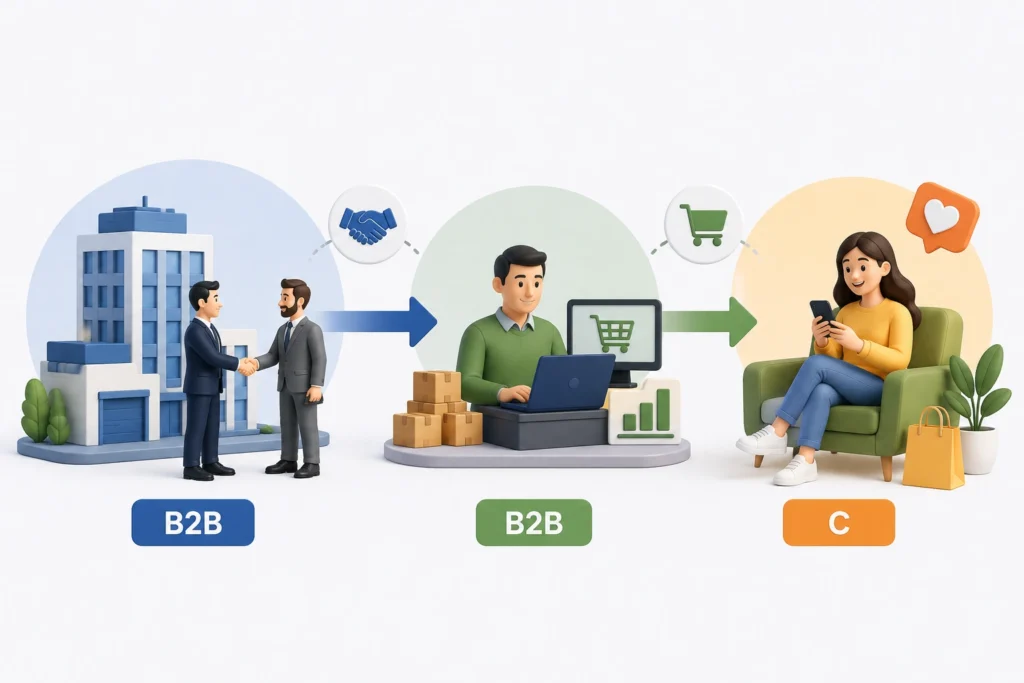
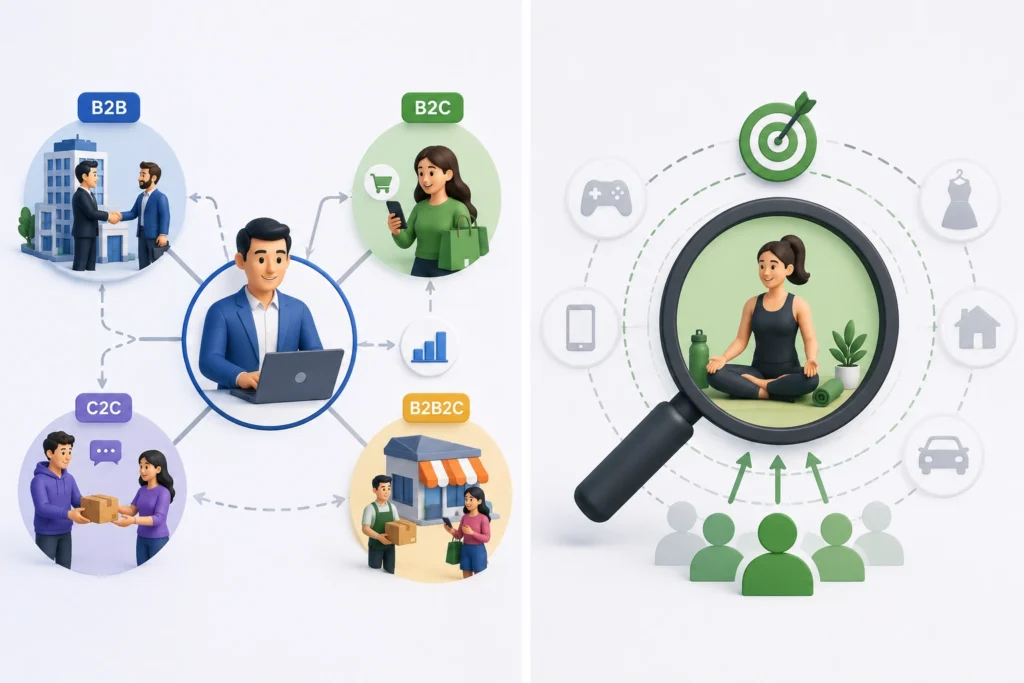
One platform covers every major marketplace model, so you can match it to your market:
B2C
businesses sell to consumers, the classic Amazon shape, with broad reach and high volume.
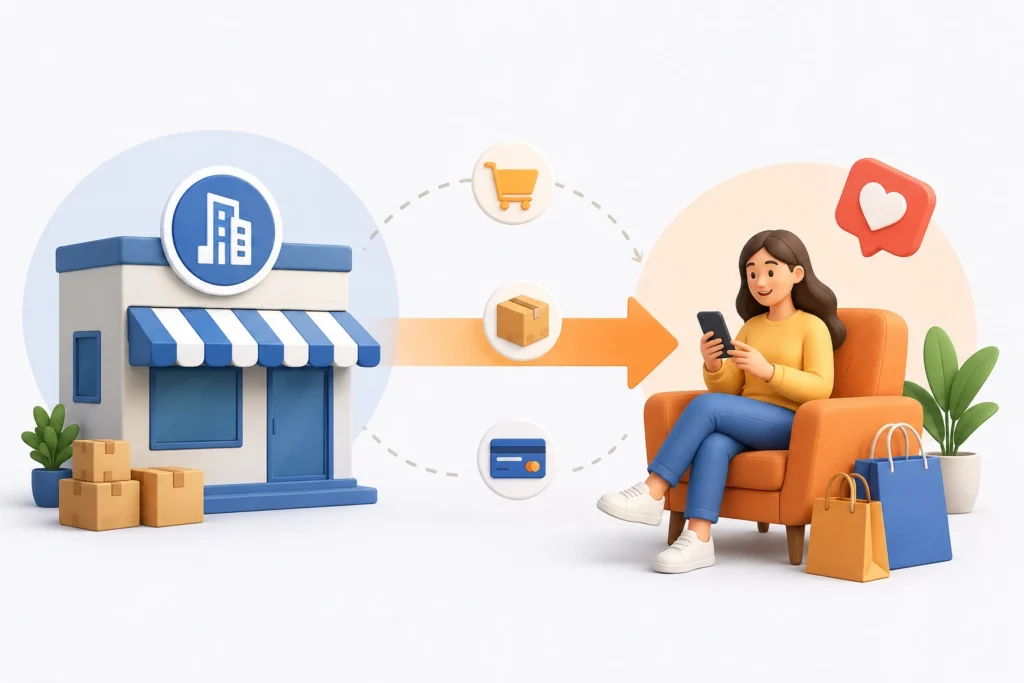
B2B
businesses sell to businesses with bulk pricing, quotes, and verified buyers, and larger orders.

B2B2C
a hybrid where brands and resellers both sell to end consumers on your platform.
C2C
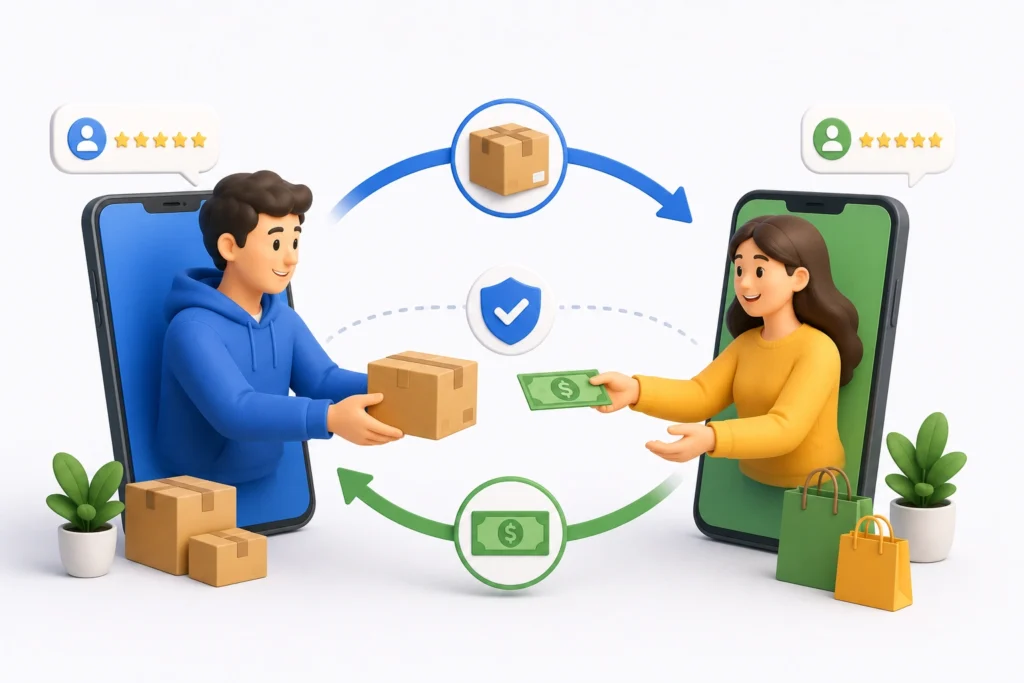
individuals sell to individuals, a peer marketplace where you take a cut of each deal.
Hybrid and niche
mix the models, or zero in on one vertical, region, or community for a sharper edge.
Business Models
Amazon Clone: Build vs Buy, the Honest Case
Launch in Weeks, Not Years
With a big budget, a technical team, and a year to spare, building from scratch hands you total control. For nearly everyone else, that road burns cash and time before a single sale. Buying a clone is not a compromise, it is leverage. You skip the roughly eighty percent of work every marketplace needs and that is almost identical everywhere, the catalogue, cart, payments, seller tools, and apps, and you spend your energy on the twenty percent that sets you apart, your niche, your sellers, your brand, and your growth.
Because the source code is still yours, nothing stops you customising as deeply as a scratch build later, you simply start a year ahead and tens of thousands of dollars lighter. The real risk in a marketplace was never the software; it was finding product-market fit and liquidity. A clone gets you to those tests in weeks rather than quarters, while keeping your runway intact for the marketing and seller recruitment that truly decide whether a marketplace thrives.
Enterprise
Marketplaces You Can Build with Our Amazon Clone
One platform, many shapes, start in a niche and expand: electronics and gadgets, fashion and apparel, handmade and crafts, groceries and essentials, books and media, home and furniture, beauty and wellness, B2B and wholesale, digital products, and country- or city-specific general marketplaces.
01
Electronics and gadgets
strong demand and clear specs make comparison natural, with a good fit for reviews, questions, and warranty add-ons.
02
Fashion and apparel
visual search, wishlists, and creator-led discovery shine, ideal for AI personalisation and seasonal pushes.
03
Handmade and crafts
buyers pay for uniqueness and story, and a curated community can out-charm the giants.
04
Groceries and essentials
frequent reorders and local delivery create sticky, recurring income in a set area.
05
B2B and wholesale
bulk pricing, quotes, and verified sellers suit larger orders and loyal, repeat buyers.
06
Digital products
no shipping, instant delivery, and near-zero fulfilment cost mean high margins from the off.
Amazon Clone Design
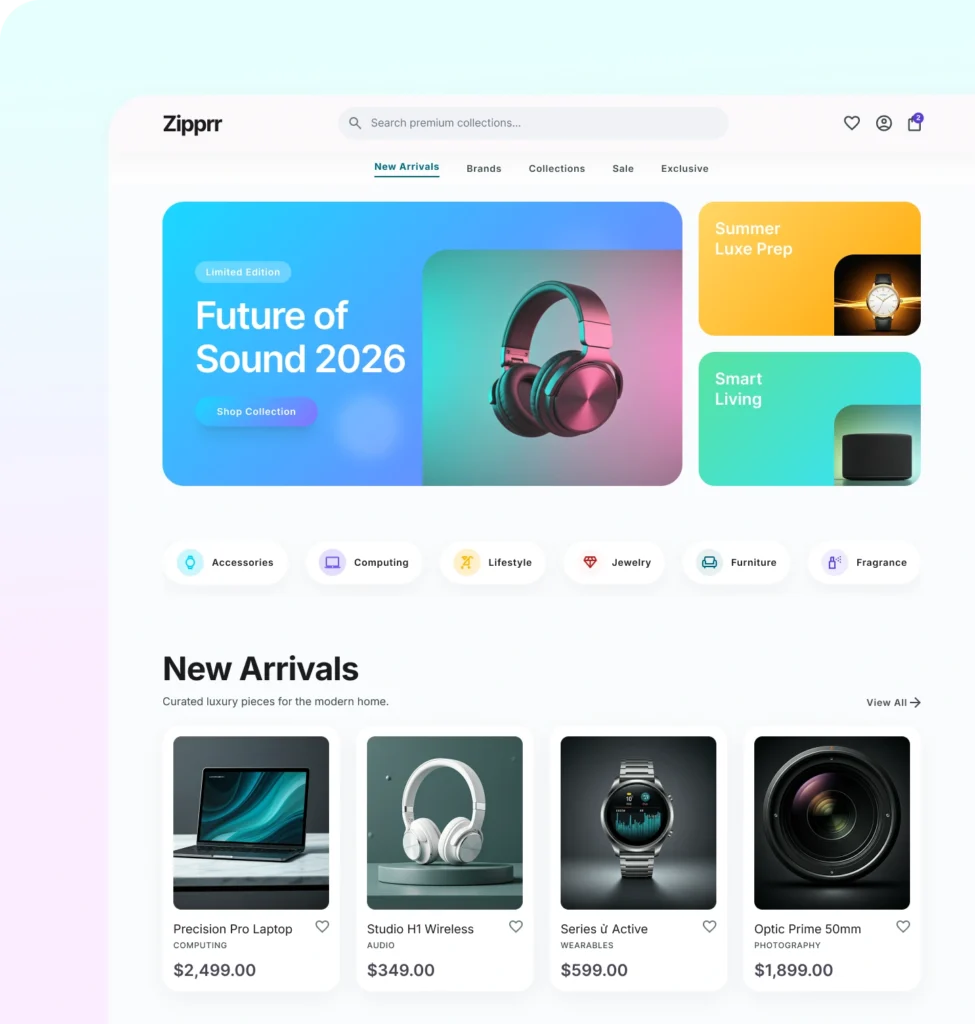
Designing an Amazon Clone Homepage That Sells
Your homepage is the shop window. In a few seconds it has to answer three buyer questions, who is this for, what can I buy here, and can I trust it. Get that right and everything after it converts better.
01
Lead with clarity
a clean hero stating your niche promise, with the search bar front and centre.
02
Show the goods
featured categories and trending products so visitors start browsing at once.
03
Build trust fast
trust signals near the top, review counts, secure-payment badges, and the number of sellers.
04
Make it personal
tailored product rows for returning visitors, driven by the recommendation engine.
05
Invite sellers
a clear Become a Seller call so supply keeps pace with demand.
Select Your Plan
Not happy with our product? No worries! Get a 100% refund within 7 days. Choose your plan with confidence—risk-free!
Startup
Get essential features, all in one place
$490
- Website Source Code
- Admin Source Code
- Website Installation
- 90 Days Support
- Life Time Updates
- One Time Payment
- Android App
- IOS
- App Submission
Pro
Popular
Launch your business app fast, with everything done-for-you
$890
- Website Source Code
- Admin Source Code
- Website Installation
- 90 Days Support
- Life Time Updates
- One Time Payment
- Android App
- IOS
- App Submission
Amazon Clone Customization & Scalability
This is not a rigid template. With the full source code, every layer is yours to reshape, the design, the workflows, the commission rules, and any new modules. As traffic climbs, the architecture spreads across more capacity and servers, so the platform that launches your idea is the same one that carries thousands of sellers later.
Look and feel
rebrand and redesign freely, fonts, colours, layout, and domain.
Business rules
change commission logic, identity rules, payout cycles, and category structures.
New features
add modules through the add-on installer or direct development.
Growth
scale servers and capacity as GMV and seller numbers rise
- Get Started
Launch Your Marketplace Business With Zipprr
Book a personalized demo and discover how Zipprr helps you launch a fully customizable marketplace solution built for growth.
Can we customize the platform?
Yes, every solution can be tailored to your business.
-
100% Source Code Ownership
Complete control from day one
-
Custom Branding
Your logo, colors and identity
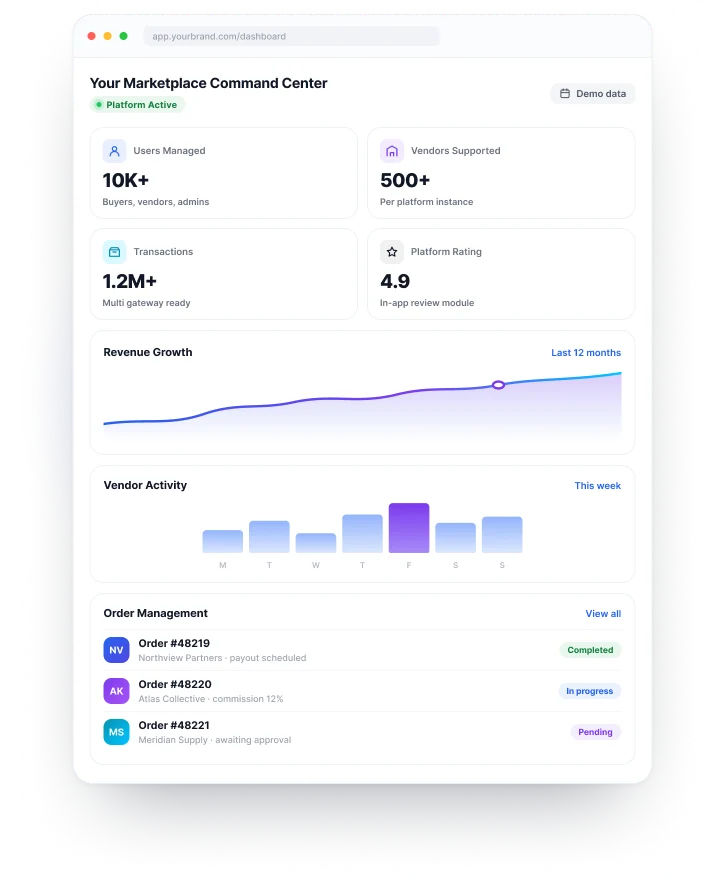
-
Multi Vendor Ready
Manage sellers, roles and payouts
-
Built To Scale
Grow without limits
- 30 Minute Product Walkthrough
Request Your Free Demo
Book a personalized demo and discover how Zipprr helps you launch a fully customizable marketplace solution built for growth.
- 100% source code ownership
- Custom feature discussion
- Free product consultation
- 90 days launch support
Amazon Clone & Marketplace Glossary
A short glossary builds buyer confidence and adds the semantic depth that search and AI engines reward.
01
Multi-vendor
a marketplace where many independent sellers list products beneath one brand.
02
GMV
gross merchandise value, the total worth of all goods sold on your platform.
03
Take rate
the slice of each sale you keep as commission.
04
White-label
software sold unbranded so you can launch it wholly as your own.
05
KYC
know your customer, confirming a seller’s identity before approval.
06
Escrow
holding a buyer’s payment until the order is met, protecting both sides.
07
Liquidity
how readily buyers find what sellers offer, a marketplace’s vital sign.
08
PWA
progressive web app, a website that behaves like a quick mobile app.
Your marketplace is two weeks away.
Book a free demo and see exactly how your AI-ready, Amazon-style marketplace will look, work, and earn, before you spend a thing.
Frequently Asked Questions
Structured for featured snippets, People Also Ask boxes, and AI answer engines including ChatGPT, Perplexity, Google Gemini, and Microsoft Copilot.

Does the Amazon clone include AI product recommendations?
Yes. The platform can show shoppers related and personalised product suggestions based on what they have viewed or bought, similar to how large marketplaces surface relevant items. Whether it is on by default or added as an integration depends on your version, so check the exact setup before you rely on it.
Can the marketplace use AI-powered search?
Yes. AI search tries to understand what a shopper means rather than only matching exact words, so vague or descriptive queries still return sensible results. In everyday use it cuts down empty result pages and helps people reach the right product with fewer attempts.
Is there an AI chatbot for customer support?
Yes. An AI assistant can answer routine questions, such as order status, returns, or product details, at any hour, and pass anything it cannot resolve to a person. For shoppers it means faster replies; for you it means fewer repetitive messages to handle by hand.
Can AI help sellers write product listings?
Yes. AI tools can draft titles, descriptions, and tags from a few details or an image, which helps sellers list faster and keep their wording consistent. Sellers usually review and edit the result before publishing, so the final listing still reflects their own product accurately.
Does the Amazon clone have AI fraud detection?
Yes. The system can watch for unusual orders, fake accounts, and risky payment behaviour and flag them for review. It works alongside identity verification rather than replacing it. How much it catches depends on your configuration and the payment provider you connect.
Can AI set or adjust prices automatically?
Some versions support AI-assisted dynamic pricing, where prices shift with demand, stock, or competition. It is usually optional and off by default, and you control whether it applies platform-wide, by category, or per seller. Many owners keep manual pricing until they understand their market.
Does it predict demand or suggest stock levels?
Where demand forecasting is available, it studies past sales and trends to estimate what is likely to sell, which helps sellers avoid running out or over-ordering. Treat it as a guide rather than a guarantee; its accuracy improves as the marketplace gathers more order history.
Can the homepage be personalised for each shopper?
Yes. With personalisation enabled, returning visitors can see banners and product rows shaped around their past activity instead of the same generic homepage. New visitors see default content until the system has gathered enough behaviour to tailor what they are shown.
Is image or visual search supported?
Visual search, where a shopper uploads a photo to find similar items, is available in some configurations and is most useful for categories like fashion, furniture, or decor. It is typically an add-on rather than a core feature, so confirm whether your build includes it.
Can AI help sellers with listing SEO?
Yes. AI suggestions can recommend keywords, tidy up titles and descriptions, and point to better categories or images so listings are easier to find, both inside the marketplace and on outside search engines. Sellers stay in control and apply only the suggestions they find useful.
Does it moderate reviews automatically?
Yes. Automated moderation can detect spam, fake reviews, abusive language, and obvious policy breaches, which lightens the manual checking your team does as review volume grows. You set the rules and thresholds from the admin panel, and borderline cases can still be reviewed by a person.
Can AI suggest which products to feature?
Yes. The platform can look at sales pace, ratings, and trends to suggest products or sellers worth featuring, so you are not guessing what to promote. The suggestions are recommendations, not automatic changes, so you stay in charge of what appears on the homepage or in promotions.
Can I connect my own AI models or services?
Yes. Because you receive the source code, your developers can integrate third-party AI or language-model services for tasks like search, chat, or content. You choose which provider to use and control where AI runs, so you are not locked to any single tool.
Do I have to use the AI features?
No. The AI features are optional. You can launch with them switched off and turn them on later, or use only the ones that suit your marketplace. Many owners start simple and add AI gradually, once they can see where it genuinely helps buyers or sellers.
Will the AI features slow the site down or cost extra?
It depends on the setup. Built-in features generally run without noticeable slowdown, while some advanced AI tools rely on outside services that may carry their own usage fees. It is worth confirming which features are included and which add a third-party cost before you switch them on.