


How To Build A Hostel Booking App That Actually Makes Money
What Makes a Hostel App Profitable?
A profitable hostel app is a diversified revenue ecosystem that goes beyond simple booking commissions. While a standard 10% to 20% cut per reservation is the engine, true profitability stems from multiple streams: featured listings for premium visibility, subscription tiers for hostel owners, and integrated affiliate partnerships for local tours or equipment rentals. Profitability is the result of balancing user growth with high-margin secondary services.
The same revenue structure can be extended beyond hostels with a vacation rental script, allowing businesses to manage short-term stays while combining booking commissions, featured listings, and additional service revenue.
The Growing Opportunity in Budget Travel
This creates an opportunity for entrepreneurs to adopt an airbnb clone script and build a more focused accommodation marketplace with lower commissions and stronger direct relationships between hosts and travelers.
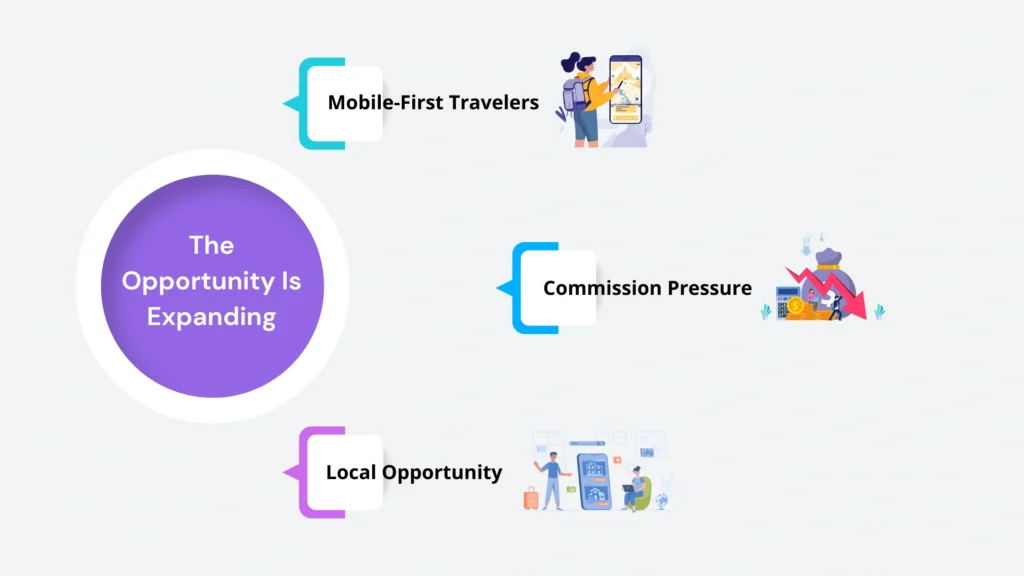
- Lower Commission Structures: Attracting owners who want to keep more of their revenue.
- Hyper-Local Expertise: Providing curated experiences that global giants overlook.
- Direct Communication: Tools that allow hosts to build a rapport with guests before they arrive.
This direct host-to-guest model can also support a p2p rental script, giving individual property owners a way to list their spaces and connect directly with travelers through the platform.
The "Build vs. Buy" Dilemma: A Costly Miscalculation
The Smarter Path: Ready-Made Solutions
For those looking to generate ROI quickly, a ready-made booking solution is the strategic choice. Rather than reinventing the wheel by coding a calendar or a payment gateway from zero, these solutions provide a battle-tested framework that can be launched in weeks.
The same ready-made approach works for broader accommodation marketplaces, where a property rental script can provide essential tools for listings, availability, bookings, payments, and host management.
- Market Validation: You can test your niche immediately with real users rather than guessing what they want during a long build phase.
- Reduced Risk: Lower upfront investment means you can pivot your strategy without the "sunk cost" of an expensive custom build.
- Operational Focus: Instead of managing a team of developers, you can focus on what actually drives money: marketing, partnerships, and user acquisition.
Strategic Launch: From Niche to Scale
- Secure the Supply: Partner with hostels before your public launch to ensure users have options the moment they download the app.
- Drive Conversion: Invest in "trust signals"—real-time availability, secure multi-currency payments, and an intuitive review system.
- Automate the Back-End: Use a system that automates commission tracking and notifications so you can scale without needing a massive administrative team.
Before launch, founders can use an airbnb clone solution checklist to verify essential areas such as booking management, payments, host tools, reviews, notifications, and scalability.