

The landscape of property management is undergoing a significant digital transformation. For years, landlords and agencies relied on a patchwork of manual spreadsheets and paper-based agreements—methods that are increasingly prone to human error and operational bottlenecks. In today’s fast-paced market, staying competitive requires more than just a listing; it requires automation. Modern property rental solutions have emerged as the essential bridge between manual chaos and scalable, automated success.
What is a Property Rental Solution?
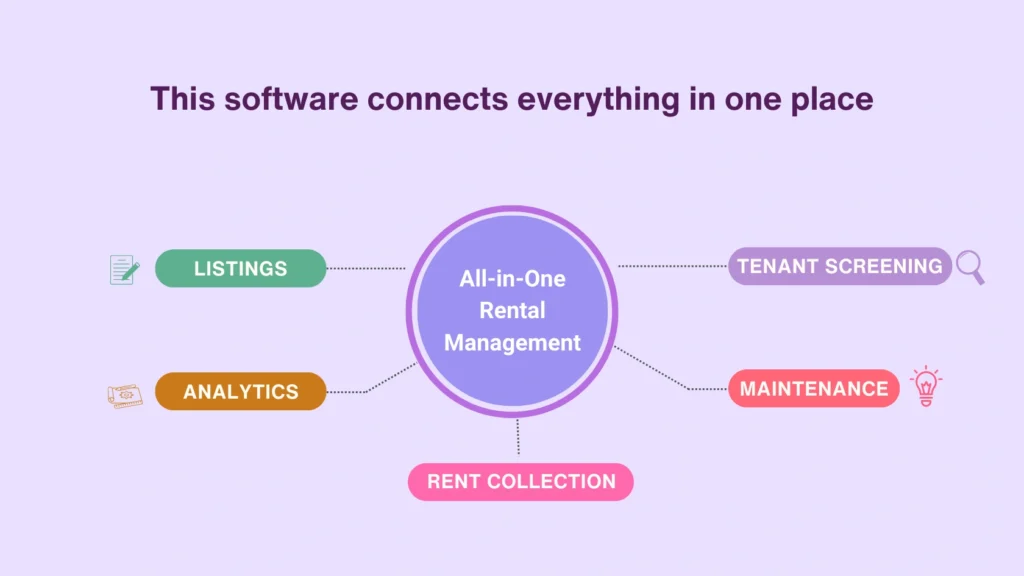
A property rental solution is a centralized digital ecosystem designed to automate the lifecycle of a rental property. It integrates essential tasks—such as listing syndication, automated rent collection, tenant screening, and performance analytics—into a single interface. By replacing fragmented manual tools, these platforms provide a high-level overview of portfolio health while managing the day-to-day granular details of tenant interactions.
Who Benefits from Rental Automation?
The utility of a rental solution scales according to the user’s needs. For the independent landlord, the primary draw is the elimination of “chasing rent” through automated payment reminders and digital deposits.
However, the benefits extend much further for larger entities:
- Property Management Firms: Use these systems to oversee hundreds of units without increasing administrative headcount.
- Real Estate Agencies: Benefit from centralized lead management and automated viewing schedules.
- Vacation Rental Hosts: Rely on the platform’s ability to synchronize booking calendars across multiple sites like Airbnb and VRBO
Navigating the Different Types of Solutions
Not all rental businesses operate on the same model, and the software market reflects this diversity. Long-term residential systems prioritize lease renewals and recurring billing, whereas vacation rental platforms focus heavily on dynamic pricing and rapid guest turnover.
Beyond the business model, the technical delivery also varies. SaaS (Software as a Service) models are popular for their “plug-and-play” nature and low entry cost. In contrast, Custom-built solutions offer a competitive edge for enterprise-level firms that require specific workflows or unique branding that off-the-shelf software cannot provide.
The Lifecycle: How Property Systems Work
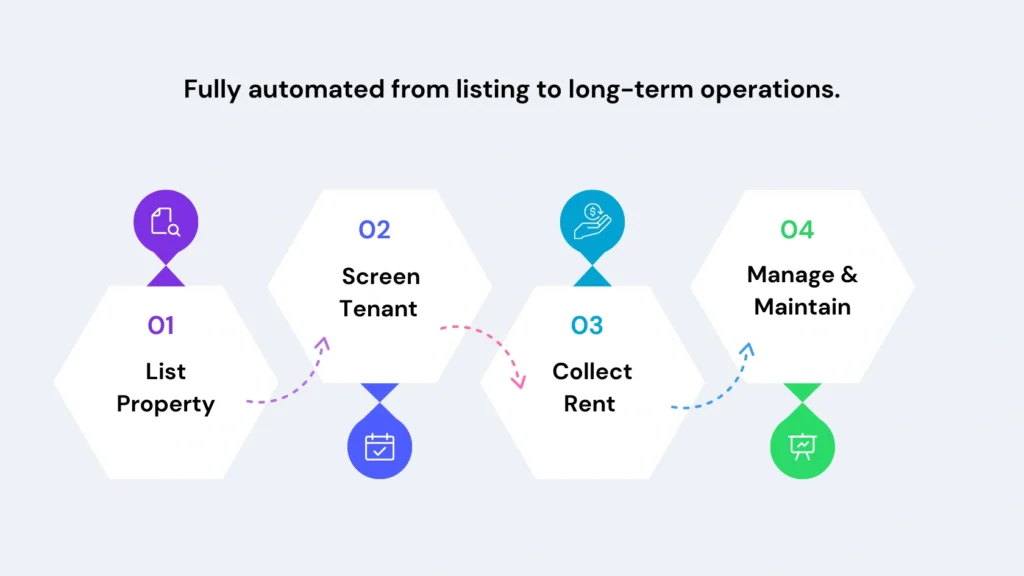
A professional rental system functions as a continuous loop. It begins with the Acquisition Phase, where property details are uploaded and automatically pushed to various listing marketplaces. Once a prospective tenant is captured, the system moves into the Vetting Phase, handling background checks and digital contract signatures.
The final, ongoing stage is Operational Management. This is where the software truly proves its value. Instead of a landlord manually checking a bank statement, the system identifies a paid invoice, updates the ledger, and triggers a maintenance workflow if the tenant logs a repair request through their portal.
Strategic Considerations: Build, Buy, or SaaS?
Deciding how to implement a rental solution is a foundational business decision. Custom development offers total control and a unique user experience, but it demands a significant upfront capital investment and a longer timeline.
- SaaS Platforms: Ideal for those who need to launch quickly with predictable monthly overhead.
- Ready-Made White-Label Solutions: A middle ground that offers some level of branding and customization without the "from scratch" price tag.
- The Hybrid Approach: Many growing firms start with SaaS and transition to custom modules as their specific operational "pain points" become more defined.
The Future of Rental Technology
We are moving toward an era of “intelligent” property management. The next generation of rental solutions is already incorporating AI-driven predictive analytics to forecast vacancy rates and suggest optimal rent increases based on real-time market data. As the global rental market expands, the focus is shifting toward seamless, multi-country financial management and fully paperless digital ecosystems.
Frequently Asked Questions
What is the difference between rental software and property management software?
While the terms are often used interchangeably, rental software typically focuses on the “front-end” of the business—listings, bookings, and guest interactions. Property management software is often more “back-end” focused, dealing with maintenance logs, deep financial accounting, and long-term lease compliance.
Is SaaS better than custom development for a new startup?
Is SaaS better than custom development for a new startup?
For most startups, SaaS is the superior choice because it allows for immediate market entry with minimal risk. Custom development is generally reserved for businesses that have identified a specific gap in the market that existing SaaS tools cannot fill.
Can I build a rental platform with the scale of Airbnb?
Yes, though it requires a robust architecture capable of handling high-traffic marketplace functionality, secure multi-currency payment processing, and a sophisticated review system to maintain user trust.