

Rate this post
In the modern economy, choosing a rental solution is no longer a simple IT task—it is a foundational business decision. Whether you are managing a fleet of vehicles, a portfolio of luxury properties, or industrial equipment, your software is the engine that drives your revenue. The wrong platform doesn’t just cause “glitches”; it leads to lost bookings, frustrated customers, and a ceiling on your ability to scale. To navigate the crowded software market, you need a framework that prioritizes long-term ROI over short-term savings.
What is a Rental Solution?
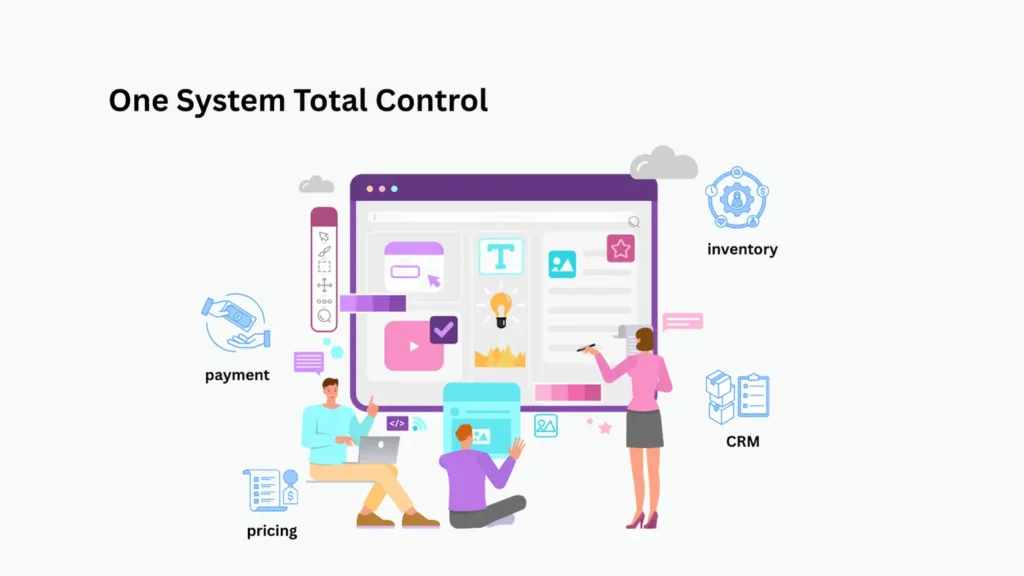
A rental solution is an end-to-back digital infrastructure that synchronizes asset availability with customer demand. Beyond a simple booking engine, it acts as a central nervous system for your business—integrating inventory tracking, dynamic pricing, secure payment gateways, and customer relationship management (CRM) into a single, automated workflow.
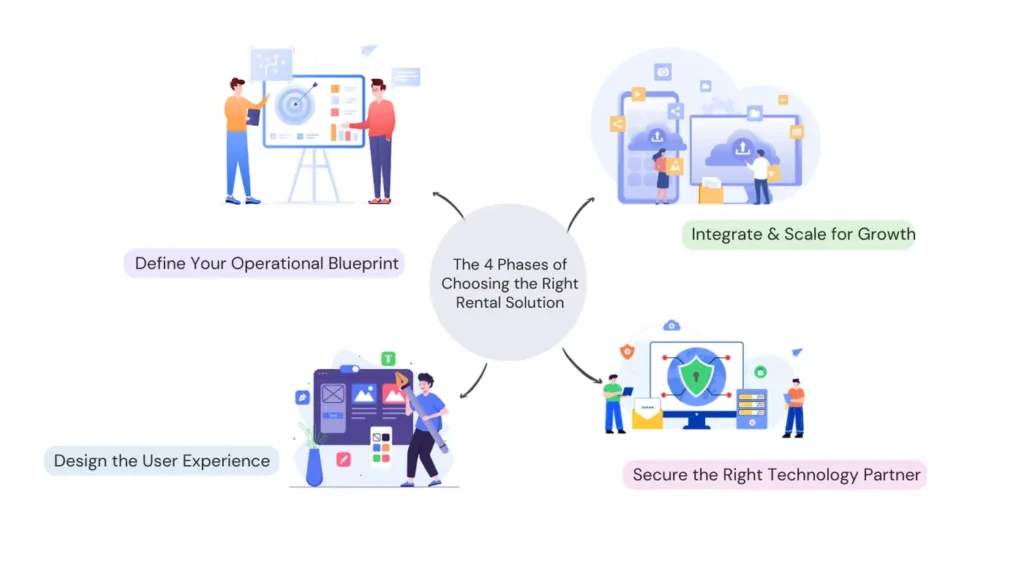
Phase 1: Defining the Operational Blueprint
Before looking at a single demo, you must define your unique business requirements. A B2B tool rental company has vastly different needs than a B2C vacation rental marketplace.
- Clarify Your Model: Are you renting by the hour, day, or month?
- Identify Your Niche: Does your industry require specialized tracking? For example, vehicle rentals often require GPS and insurance integration, while property rentals demand lease compliance and maintenance logs.
- Audit Your Must-Haves: Ensure the core foundation—real-time availability and secure payments—is rock solid before being distracted by "flashy" secondary features.
Phase 2: The User Experience & Branding
Software should simplify life, not complicate it. A professional rental solution must offer two distinct, high-quality experiences:
- For the Customer: A frictionless, mobile-responsive booking flow that builds trust and increases conversion.
- For the Staff: An intuitive admin dashboard that allows for rapid booking extensions, returns, and inventory updates without a steep learning curve.
Furthermore, your software shouldn’t look like someone else’s. Seek out white-label capabilities that allow you to customize logos, color palettes, and domain names. Your platform is an extension of your brand identity; it should feel like a proprietary asset, not a rented one.
Phase 3: Integration and Future-Proofing
In 2026, no software should exist on an island. Your rental platform must “talk” to your other tools. This means seamless integration with accounting software, marketing automation, and IoT devices for asset tracking.
Scalability is the ultimate test. As your inventory grows or you expand to multiple locations, the system must handle the increased load without performance lag. If you plan to eventually allow other vendors to list their assets on your site, ensure the system supports multi-vendor marketplace functionality from day one.
Phase 4: Security and Vendor Trust
When you choose a solution, you are choosing a partner. You are trusting them with sensitive customer data and your primary revenue stream.
- Security & Compliance: Verify that the system follows global data protection standards and offers automated backups.
- Uptime Reliability: Every minute your site is down is a minute you aren't making money.
- Vendor Credibility: Look for responsive support teams and a clear product roadmap. A vendor that provides regular updates and transparent documentation is an asset to your business growth.
The Bottom Line on Cost
The cheapest option is rarely the most cost-effective. When analyzing pricing, look beyond the monthly subscription. Factor in commission fees, setup costs, and the potential revenue lost to manual errors if the system is too complex. True value is found in the time saved through automation and the increased utilization of your rental assets.
Frequently Asked Questions
Should I choose cloud-based or self-hosted software?
For most growing startups, cloud-based (SaaS) systems are ideal because the vendor handles security and updates. Self-hosted solutions are generally reserved for large enterprises that require total control over their data architecture and have a dedicated IT team.
How do I know if a system is truly "scalable"?
Ask the vendor for case studies of clients who manage portfolios 10x the size of yours. A scalable system should allow you to add new locations and thousands of assets without requiring a complete system overhaul.
Can I launch a rental platform without technical skills?
Yes. Modern white-label rental solutions are designed for entrepreneurs, not just engineers. With “no-code” configuration tools, you can set up your business rules, pricing, and branding through a visual dashboard.