

5/5 - (1 vote)
The global eCommerce market is projected to skyrocket past $8 trillion by 2026. Driven by AI personalization, mobile-first shopping, and lightning-fast digital payments, the opportunity for new entrepreneurs has never been greater.
However, building a platform from scratch is often a slow and expensive hurdle. This is why eCommerce clone solutions are becoming the go-to strategy for savvy startups. These platforms replicate proven, successful business models while offering the flexibility to customize and scale.
If you’re ready to capture your share of the market this year, here are the top 5 eCommerce clone solutions to consider.
Top Revenue-Generating Classified Clone Models
1. Amazon Clone: The Ultimate Multi-Vendor Marketplace
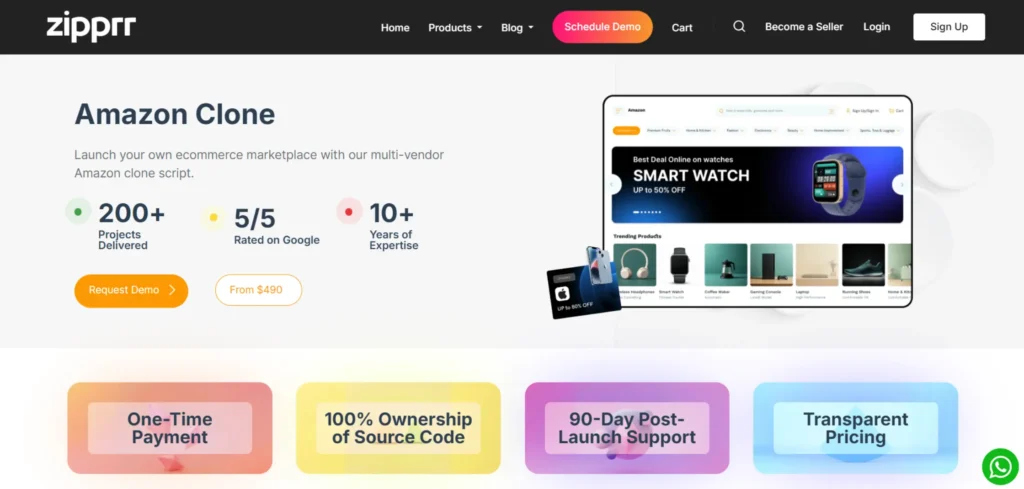
An Amazon Clone is designed for entrepreneurs who want to build a massive ecosystem where multiple sellers can list products under one roof. It mimics the world’s most successful B2C model, focusing on variety and user trust.
Key Features for 2026
- Advanced Multi-Vendor System: Seamlessly manage thousands of independent sellers.
- AI-Powered Search: Smart filters and "frequently bought together" recommendations.
- Cloud Scalability: Built to handle high traffic during flash sales or holidays.
Best For :
- Large-scale retail platforms covering electronics, fashion, and daily essentials.
2. Alibaba Clone: The B2B Wholesale Powerhouse
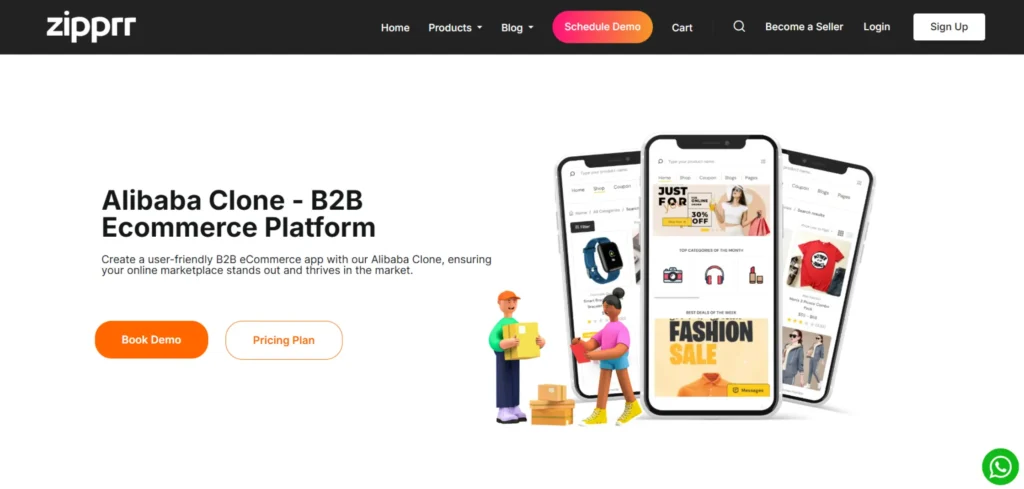
If your goal is to connect manufacturers with retailers, an Alibaba Clone is your best bet. This model focuses on bulk transactions and supplier-buyer relationships rather than individual retail sales.
Key Features for 2026
- RFQ (Request for Quotation): Allows buyers to negotiate prices directly with suppliers.
- Bulk Pricing & MOQ: Set "Minimum Order Quantities" to ensure wholesale profitability.
- Trade Assurance: Secure escrow-style payments to build trust in global trade.
Best For :
- Startups targeting the booming cross-border B2B manufacturing and distribution sector.
3. AliExpress Clone: The Cross-Border Retail Expert
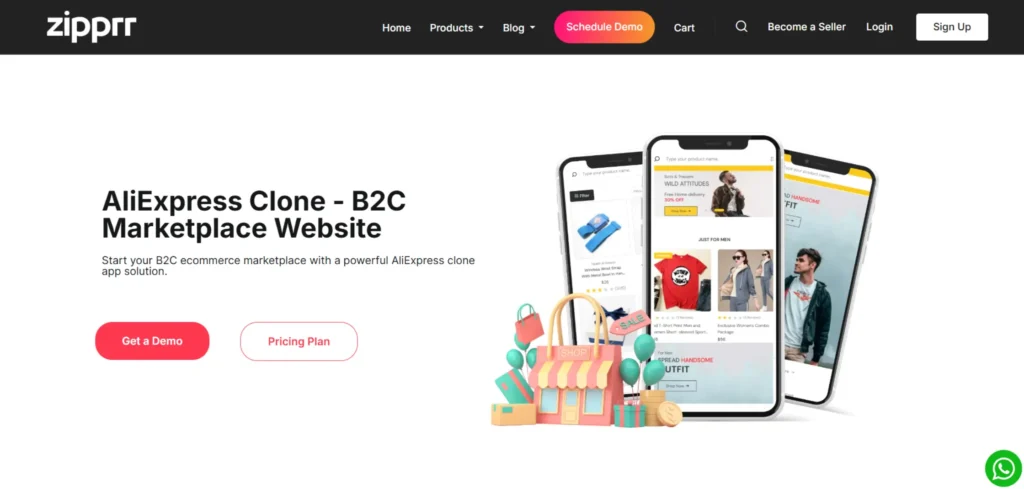
An AliExpress Clone focuses on the “Direct-from-Factory” model. It connects international sellers with global consumers who are looking for competitive pricing and unique products.
Key Features for 2026
- Dropshipping Ready: Built-in infrastructure to sync with global logistics providers.
- Multi-Currency & Language: Auto-detects user location for a localized shopping experience.
- Flash Deal Engines: High-conversion tools for limited-time discounts and coupons.
Best For :
- Entrepreneurs looking to run a high-volume, commission-based international marketplace.
4. Walmart Clone: The Omnichannel Retail Leader
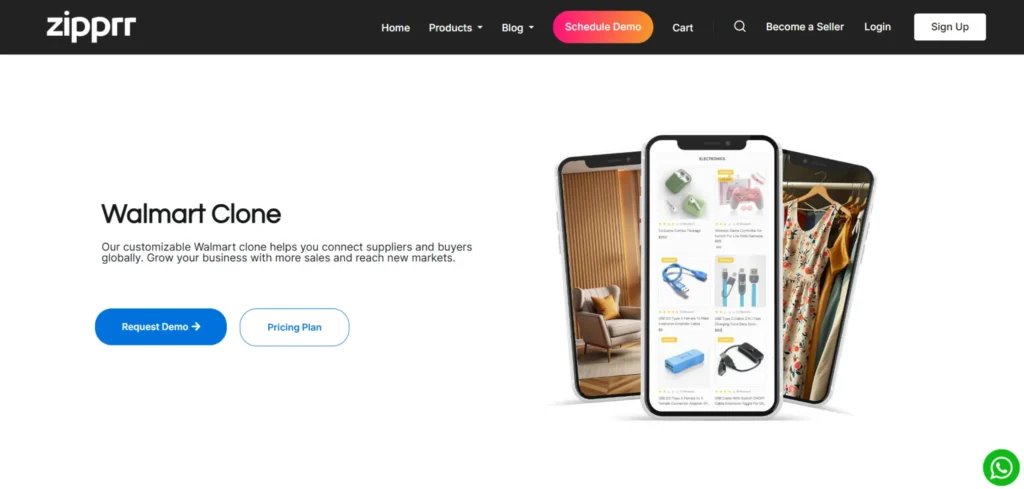
The future of shopping is “Phygital”—a mix of physical and digital. A Walmart Clone is perfect for businesses that want to integrate offline stores with an online storefront, offering a seamless “Buy Online, Pick Up In-Store” (BOPIS) experience.
Key Features for 2026
- Inventory Synchronization: Real-time updates between physical warehouses and the app.
- Hyper-Local Delivery: Integration with last-mile delivery partners for same-day service.
- Membership Modules: Subscription features similar to Walmart+ or Amazon Prime.
Best For :
- Existing retail chains or startups looking to dominate local grocery and household markets.
5. Fancy Clone: The Social Commerce & Curation Specialist
In 2026, shopping is about discovery, not just searching. A Fancy Clone focuses on a visually driven, Pinterest-style layout that encourages users to browse curated, high-end, or niche lifestyle products.
Key Features for 2026
- Social Integration: Users can "like," "collect," and share products within their social circles.
- Influencer Dashboards: Dedicated tools for creators to promote and sell curated lists.
- Visual Discovery: A UI/UX designed for high-resolution imagery and aesthetic appeal.
Best For :
- Niche markets like boutique fashion, home décor, art, and "Instagrammable" products.
How to Choose the Right Solution?
Before picking a clone script, ask yourself these three questions:
Key Features for 2026
1. Who is my buyer?
(Individuals = Amazon/AliExpress; Businesses = Alibaba).
2. How will I make money?
(Transaction commissions, monthly subscriptions, or featured ads).
3. Is it AI-ready?
(Ensure the script supports modern automation and personalized user journeys).
Final Thoughts
Launching a business in 2026 doesn’t mean you have to reinvent the wheel. By using a high-quality eCommerce clone, you can reduce development time by up to 60% and focus your energy on what really matters: marketing and growth.
Whether you want to be the next global giant or a niche trendsetter, the right platform is your foundation for success.