

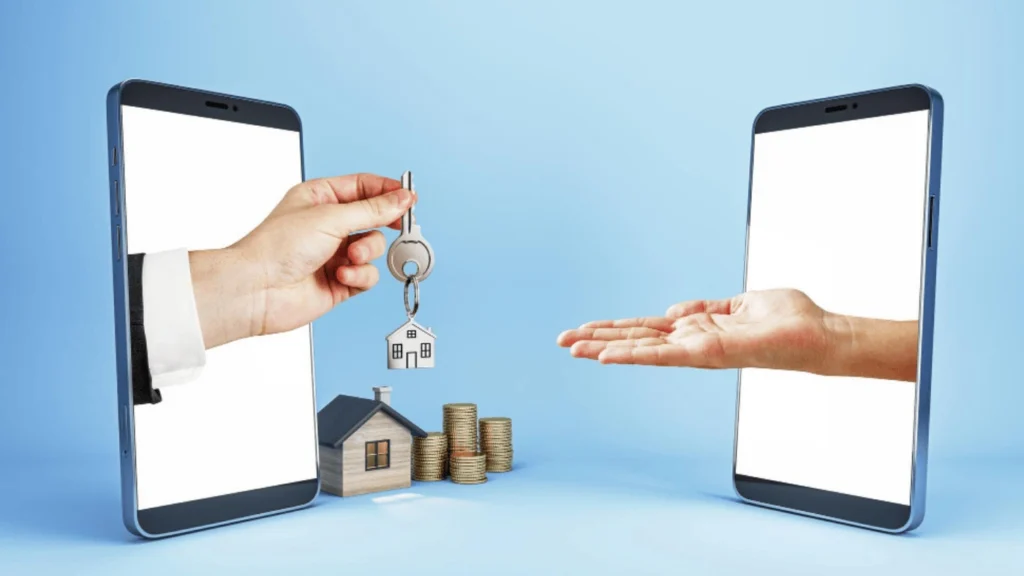
The real estate market in 2026 is defined by a “digital-first” mentality. For modern buyers and renters, the property search begins and often ends on a smartphone. Features that were once considered premium—such as map-based discovery, instant push alerts, and high-definition virtual tours—are now the baseline for user expectation. For PropTech startups, the challenge isn’t just entering the market; it’s entering it fast enough to capture shifting demand without exhausting capital on long development cycles.
What is a Real Estate App Clone?
A real estate app clone is a professional, white-label marketplace framework modeled after the architecture of industry leaders. It provides a turnkey foundation that includes essential “must-have” features like agent portals, property listings, and secure lead management. By using a pre-built solution, entrepreneurs can bypass the “zero-to-one” coding phase and focus entirely on branding, local market penetration, and revenue generation.
Why 2026 is the Era of Ready-Made Solutions
The shift away from custom-built platforms is driven by a need for agility. In a market where interest rates and inventory levels fluctuate rapidly, waiting twelve months for a custom build is a high-risk strategy.
Startups are choosing ready-made marketplace software because:
- Reduced Time-to-Market: Launching in weeks instead of months allows you to capture seasonal market peaks.
- Predictable Budgeting: Avoiding the "feature creep" and hidden costs of custom engineering teams.
- Built-in Scalability: Most modern clones are designed for multi-currency and multi-language support, making regional expansion a configuration rather than a rebuild.
The Top 7 Real Estate Clones: Choosing Your Business Model
Selecting a clone isn’t just about the name; it’s about the specific revenue model and market niche you intend to dominate.
- The General Marketplace (Zillow Clone): Best for nationwide platforms focusing on high-volume traffic. Revenue is driven by featured listings and "Premier Agent" advertising models.
- The Hybrid Brokerage (Redfin Clone): Designed for startups that employ their own agents. This model prioritizes transaction-based commissions and seamless brokerage integration.
- The Data-Driven Portal (Realtor.com Clone): Ideal for those focusing on accuracy and MLS integration, catering to serious buyers who value real-time data updates.
- The Regional Powerhouse (Bayut or PropertyGuru Clones): Tailored for specific markets like the Middle East or Southeast Asia, where localized features and agent-centric monetization are key.
- The Luxury & European Standard (Rightmove Clone): Suited for markets like the UK, where agent subscriptions are the primary revenue driver rather than individual listing fees.
- The Commercial Specialist (LoopNet Clone): A niche focus on office, retail, and industrial spaces. This is a high-margin model for B2B real estate startups.
Features That Drive Retention and Revenue
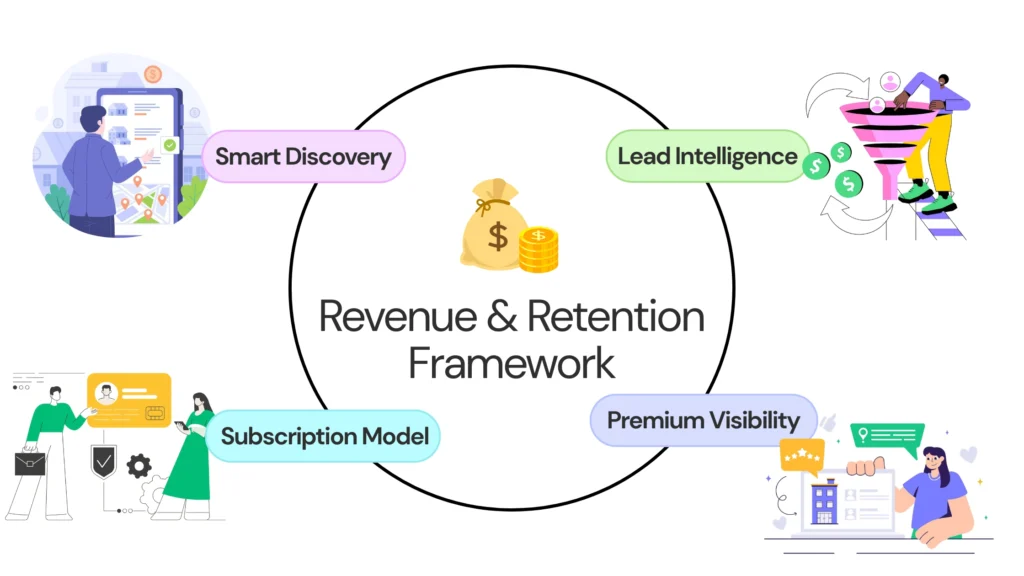
A successful platform in 2026 must do more than just display photos. To compete with established giants, your app needs a “sticky” user experience. This includes Advanced Search Ecosystems where users can filter by commute times or school ratings, and Integrated Lead Management that ensures agents never miss a query.
From a monetization perspective, your platform should support multiple streams:
- Subscription Tiers: Professional packages for high-volume agents.
- Visibility Packages: Allowing owners to pay for "Top of Search" placement.
- Ancillary Services: Integrating mortgage calculators and lead generation tools for third-party lenders.
The Path to Launch: No-Code Execution
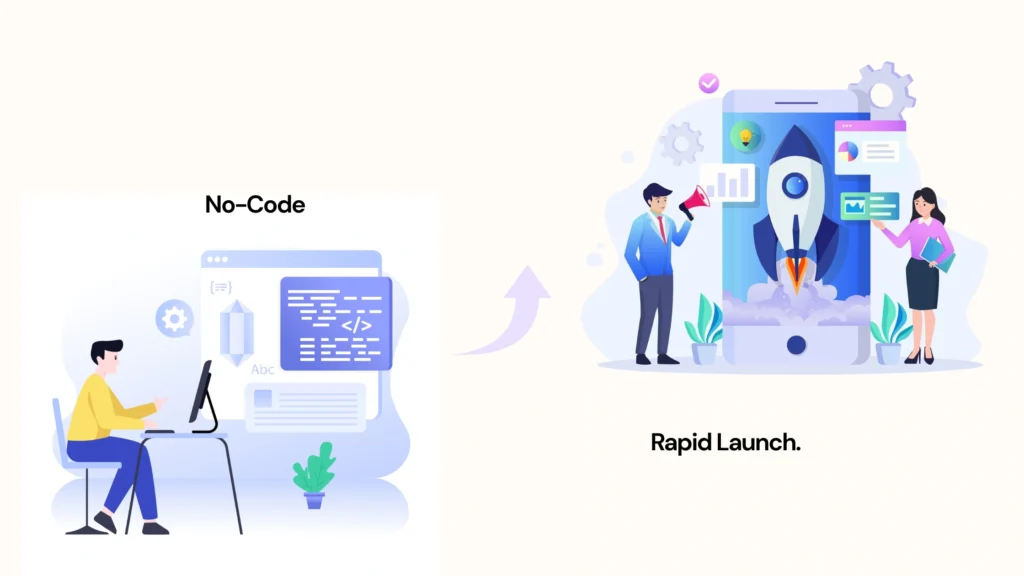
The transition from “idea” to “live app” has never been more streamlined. The process typically begins with selecting the clone model that aligns with your niche, followed by rebranding the interface to match your corporate identity. Because these systems are “turnkey,” the focus shifts from technical debugging to strategic marketing—using SEO, localized partnerships, and digital advertising to build the initial “supply” of property listings.
Conclusion
Launching a real estate app in 2026 is less about technical complexity and more about strategic speed. By leveraging a high-quality clone, you are not “copying” a business; you are utilizing a proven architectural blueprint. This allows you to spend your resources where they matter most: building trust with agents and providing a seamless search experience for property seekers.
Frequently Asked Questions
How long does it take to launch a real estate app using a clone?
With a ready-made solution, most startups can move from setup to launch in two to four weeks, depending on the level of branding and customization required.
Can I compete with Zillow using a clone app?
While competing on a national level is difficult, clones allow you to dominate “hyper-local” or niche markets (like luxury rentals or commercial spaces) where the big players might not offer the same level of specialized service.
Is it possible to manage multiple locations on one platform?
Yes. Modern real estate clones are built with scalable architecture that supports multi-country operations, different currencies, and localized search parameters.